Key Highlights:
- AI Roleplay Simulations: Practice skills like objection handling with AI personas.
- CRM Integration: Seamlessly blend training into existing workflows (e.g., Salesforce, HubSpot).
- Instant Feedback: Automated evaluations for faster skill development.
- Bite-Sized Learning: Short modules for easy, daily training.
Top Platforms:
- PitchMonster: AI roleplay tailored to real-life scenarios.
- Guideflow: Interactive product walkthroughs for mastering demos.
- Gong: Analyzes live sales interactions for coaching insights.
- Highspot: Combines training with sales content in one system.
- Mindtickle: AI avatars for safe practice and structured onboarding.
- Lessonly by Seismic: Simplified lesson creation with microlearning.
- Allego: Video-based learning with AI-driven call analysis.
- SalesHood: Peer-driven training and video practice.
- WorkRamp: Custom learning paths for role-specific onboarding.
- Second Nature: AI persona "Jenny" for dynamic sales simulations.
Quick Comparison:
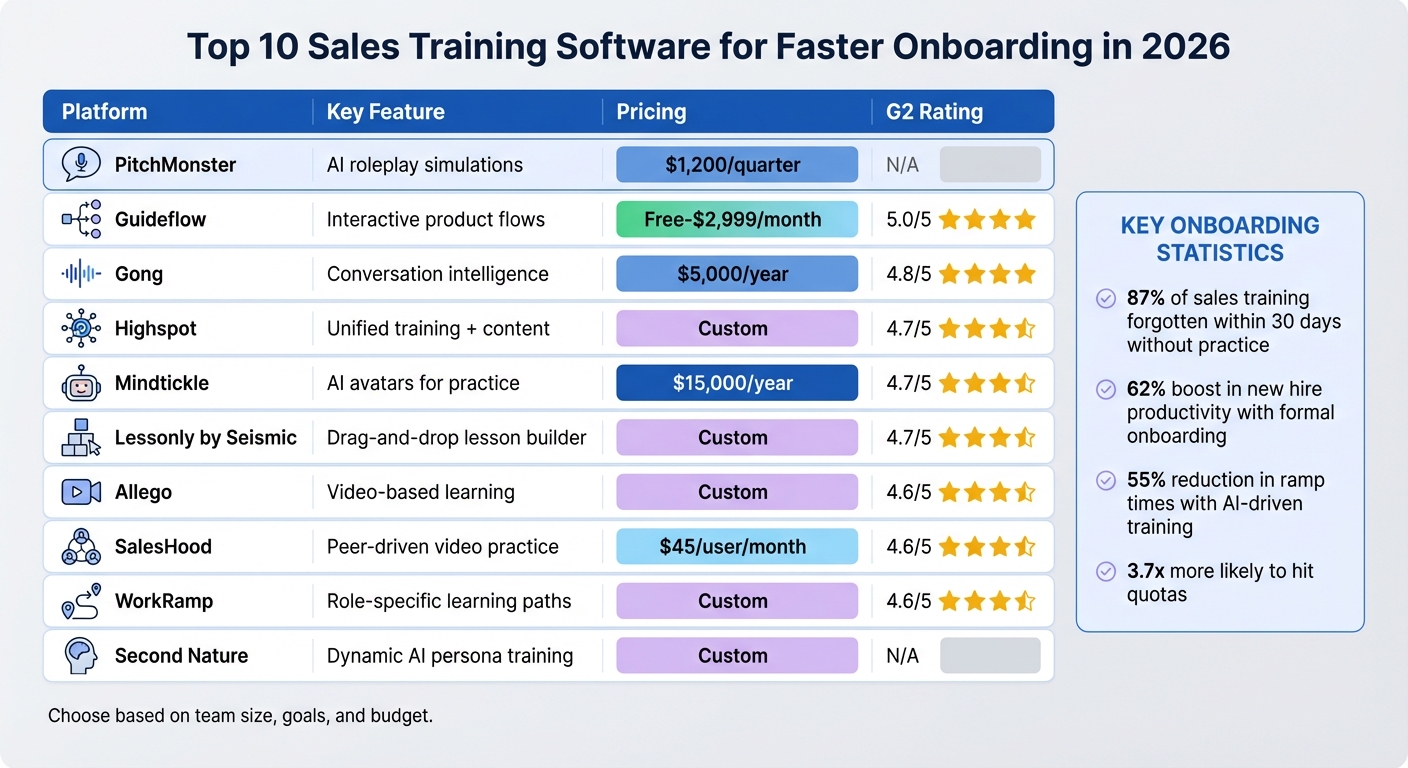
Platform | Key Feature | Pricing (Starting) | G2 Rating |
|---|---|---|---|
PitchMonster | AI roleplay simulations | $1,200/quarter | N/A |
Guideflow | Interactive product flows | Free-$2,999/month | 5.0/5 |
Gong | Conversation intelligence | $5,000/year | 4.8/5 |
Highspot | Unified training + content | Custom | 4.7/5 |
Mindtickle | AI avatars for practice | $15,000/year | 4.7/5 |
Lessonly by Seismic | Drag-and-drop lesson builder | Custom | 4.7/5 |
Allego | Video-based learning | Custom | 4.6/5 |
SalesHood | Peer-driven video practice | $45/user/month | 4.6/5 |
WorkRamp | Role-specific learning paths | Custom | 4.6/5 |
Second Nature | Dynamic AI persona training | Custom | N/A |
These tools address challenges like slow ramp times, inconsistent messaging, and manager burnout, delivering measurable outcomes like faster onboarding and improved quota attainment. Choose one that aligns with your team's size, goals, and budget.
Revolutionizing Sales Training with AI-Powered Digital Humans
sbb-itb-bfb5038
Why Sales Training and Onboarding Software Matters
New sales reps often face a tough road to productivity. It’s a common issue - many spend months either mishandling live leads or passively watching training videos. Neither approach sets them up for success.
Sales training and onboarding software changes the game by shifting from passive learning to active practice. Instead of just watching a video on handling pricing objections, reps can engage with an AI buyer persona that challenges them in real-time. This hands-on approach is crucial because 87% of sales training is forgotten within 30 days unless reinforced through practice.
Another challenge these tools address is inconsistent messaging, especially for distributed teams. Without a structured system, new hires often pick up fragmented knowledge. Training platforms ensure every rep, regardless of location, learns the same core principles - like foundational knowledge, competitive positioning, and objection-handling strategies. This eliminates the "tribal knowledge" problem, where critical insights vanish when experienced team members leave.
Manager burnout is also a major hurdle. 43% of sales leaders admit they miss coaching opportunities simply due to lack of time. Manually role-playing with every new hire can trap managers in repetitive tasks, leaving little room for strategic priorities like deal planning or territory management. AI-powered platforms step in by automating basic skill evaluations - scoring pitch delivery, flagging filler words, and offering instant feedback. This frees managers to focus on higher-value coaching that directly impacts results.
The numbers speak for themselves: formal onboarding programs can boost new hire productivity by 62%, and AI-driven training platforms have cut ramp times for SDRs and AEs by as much as 55%. Reps using these tools are also 3.7 times more likely to hit their quotas. For teams battling sluggish ramp times and overburdened managers, these platforms don’t just speed up the process - they redefine how reps get ready for real-world sales conversations.
What Makes Training Software Work for Faster Onboarding
Sales training platforms come in all shapes and sizes, but the ones that truly make a difference in onboarding speed share a few standout features. These elements directly impact how sales reps learn and apply their skills.
AI-powered roleplay simulations lead the pack. These tools allow reps to practice key skills like discovery calls, objection handling, and pitching with AI personas that adapt to their tone and phrasing. Since 75% of sales reps prefer hands-on learning, these simulations provide endless opportunities to practice without using live leads or taking up a manager’s time. This allows leaders to maximise sales team performance by ensuring every rep is call-ready before their first interaction. The results? Companies using AI roleplay tools report ramp times that are 34% faster and see a 28% boost in quota attainment within the first quarter.
Another must-have is CRM integration. Training tools that operate in isolation often go unused because they require extra logins and disrupt workflows. The best platforms integrate directly with systems like Salesforce or HubSpot, making it easy for managers to track training progress alongside pipeline data. Reps also benefit from seamless access to training materials, with features like browser extensions or in-app overlays offering real-time guidance during live deals. This "just-in-time" learning approach ensures reps get the help they need exactly when they need it.
Instant feedback is another game-changer. Automated tools analyze roleplay sessions or call recordings, evaluating metrics like talk ratios, discovery quality, and filler words. This eliminates the need for managers to spend hours reviewing calls and provides reps with immediate, actionable insights. Plus, it speeds up the creation of training content by 80% compared to manual processes.
On top of that, bite-sized learning sessions make training more manageable. These 5–10 minute modules fit easily into a rep’s day, whether it’s between calls or during downtime. For remote teams, mobile access ensures reps can complete training from anywhere, which is especially useful considering the average SaaS rep takes 5.7 months to reach full productivity.
1. PitchMonster
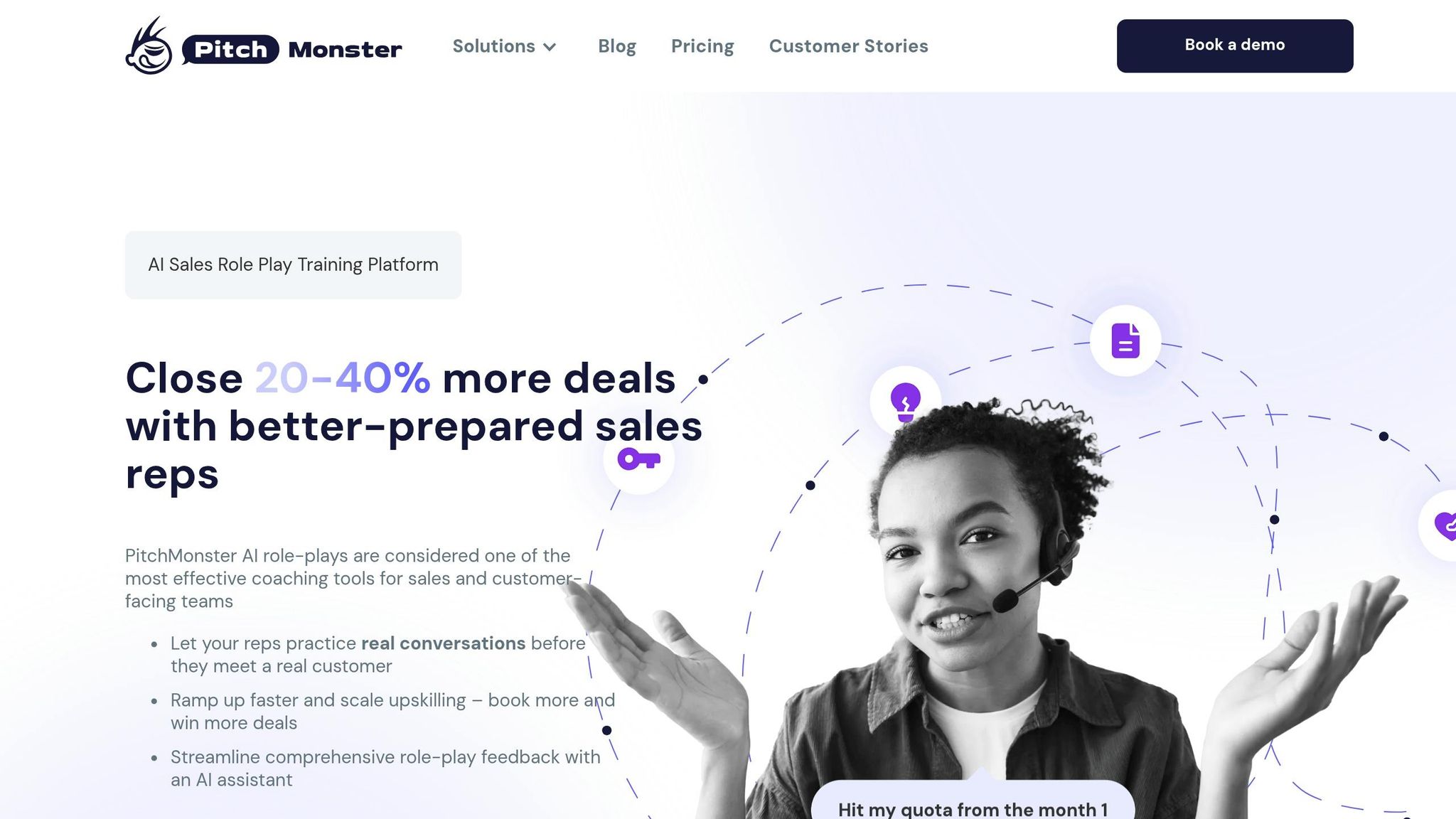
PitchMonster is a platform designed to help sales teams practice real-life conversations in a controlled environment. By using AI personas that adapt to tone and unexpected twists, it moves beyond rigid scripts. This allows new hires to rehearse discovery calls, handle objections, and refine their pitches - without the pressure of live deals or relying on a manager’s availability. Here’s what makes PitchMonster a standout tool for sales training:
AI role-play for lifelike sales scenarios
PitchMonster lets teams create detailed Ideal Customer Profiles (ICPs), including specifics like industry, job title, objection styles, and buying committee dynamics. Reps engage in voice-to-voice interactions with AI personas, offering a realistic way to build confidence before their first actual sales conversation.
Tailored feedback for faster improvement
After each session, reps receive detailed AI-generated feedback focused on key aspects like talk ratios, quality of discovery questions, and objection handling. Feedback is delivered through scorecards aligned with the team’s sales methodology, ensuring consistency with managerial expectations. This approach helps reps pinpoint areas for growth without waiting for manual reviews.
Structured onboarding for new hires
Training is organized into step-by-step missions that guide new team members through essential knowledge and core sales skills. Automated checkpoints ensure reps reach a certain level of proficiency in AI-simulated role-plays before advancing. This structured process ensures that new hires master each skill before moving on to the next.
Insights to monitor progress and address skill gaps
PitchMonster also provides analytics to track individual and team performance. Managers can see how reps perform in various scenarios, identifying areas where additional attention is needed. Leaderboards and self-coaching tools encourage reps to practice independently, reducing the coaching burden on managers. Pricing starts at $1,200 per quarter for teams of 50 or more users.
2. Guideflow
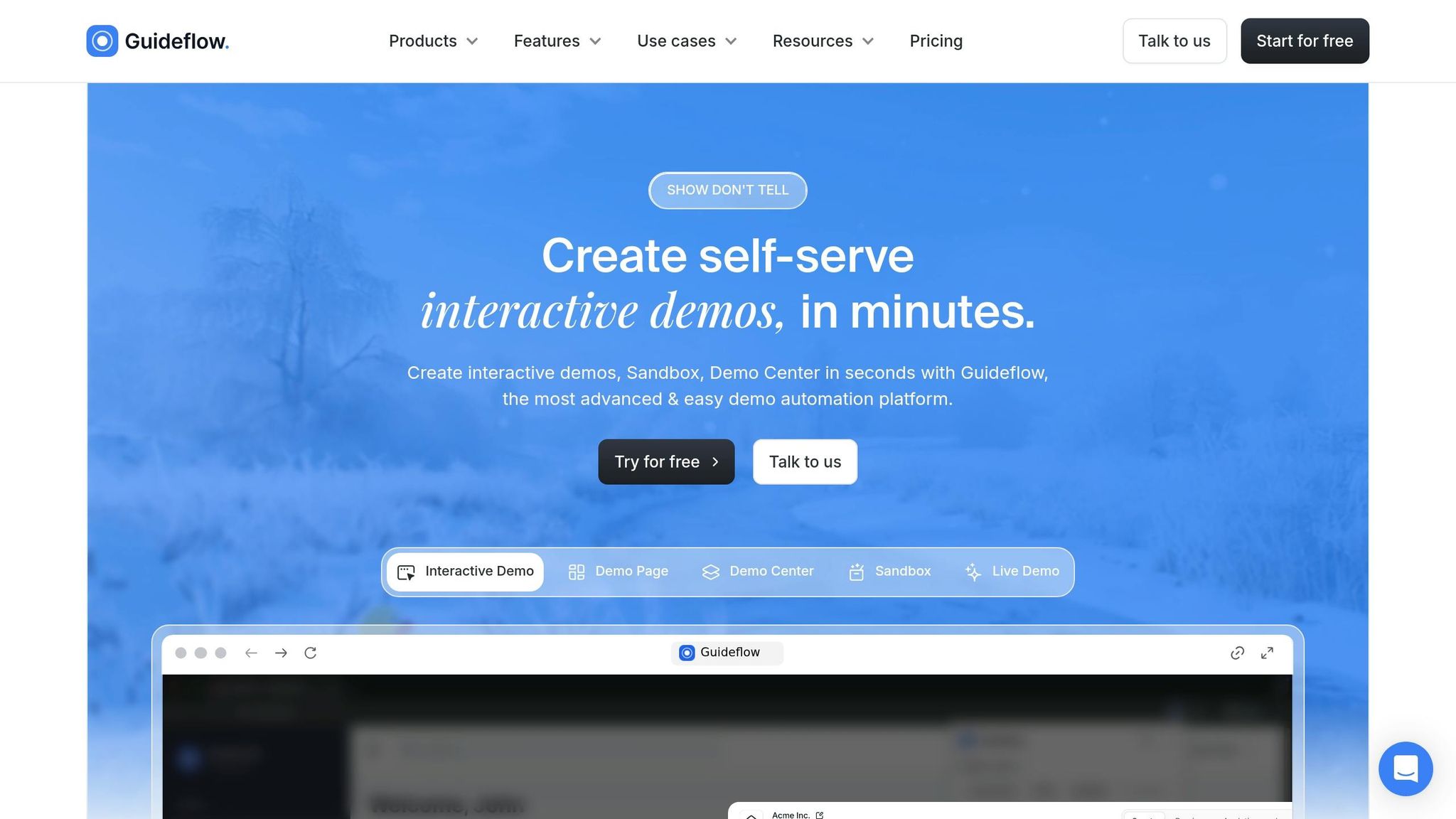
While many training tools focus heavily on conversation simulations, Guideflow shifts the spotlight to something equally critical: mastering the product. After honing sales conversations through role-play exercises, Guideflow transitions seamlessly into building product expertise with interactive walkthroughs.
This approach offers a hands-on, immersive way for sales reps to learn. Instead of passively watching videos or reading through dense documents, reps actively navigate product flows that mimic real-life demo scenarios. This practical experience boosts familiarity and confidence before their first live call.
Interactive Product Walkthroughs for Practical Learning
Guideflow allows teams to create and customize interactive product flows enriched with tooltips, callouts, and branching paths. Reps can explore these walkthroughs at their own pace, tailoring the experience to simulate different buyer personas or industries. What’s great is that this doesn’t require access to live sandboxes - a game-changer for SaaS teams dealing with complex products. It ensures reps not only master their talk track but also gain the confidence to showcase the product effectively.
Structured Onboarding Workflows
By integrating product demos into existing onboarding frameworks, Guideflow ensures that new hires progress from basic knowledge to being fully prepared for their first call. Workflows can be personalized to reflect specific markets or scenarios, making the training directly relevant. Plus, when products evolve, updating walkthroughs is quick and easy - no need to re-record lengthy training videos.
Analytics to Pinpoint Progress and Gaps
Guideflow’s analytics provide deep insights into how reps interact with the product flows. Managers can see which areas reps explore most, where they struggle, and what steps in the simulation may require extra attention. This data helps address skill gaps early, ensuring reps are fully prepared before facing customers. It’s a proactive way to prevent issues from surfacing during live demos.
Pricing starts at $0/month with a free plan (5 guideflows, unlimited viewers). Paid options range from $40/month for solo users to $2,999+/month for enterprise teams. With a stellar 5.0/5 rating on G2, Guideflow is an excellent choice for teams where product knowledge often slows down onboarding.
3. Gong
Gong is all about real-world customer conversations. It records and analyzes every sales interaction - calls, emails, and meetings - giving teams a treasure trove of insights. By transcribing and evaluating 100% of these interactions, Gong highlights coaching opportunities based on actual deal data.
For new reps, this means learning directly from the best. They can study how top performers handle objections, navigate pricing discussions, and close deals. Managers can even compile coaching playlists from successful calls, creating a library of proven techniques that new hires can reference. This hands-on learning approach is backed by detailed analytics, helping reps ramp up faster by rooting their training in real buyer interactions.
Analytics That Pinpoint Skill Gaps
Gong’s conversation intelligence doesn’t just track calls - it dives deep into specific behaviors. Metrics like talk-to-listen ratios, the quality of discovery questions, and how effectively objections are handled are all monitored. By benchmarking new hires against top performers, Gong quickly identifies skill gaps. For instance, it can reveal if a rep is talking too much instead of listening or missing critical buying signals.
The platform also uses automated trackers to flag key moments, such as competitor mentions, pricing objections, or next-step commitments. This gives managers a clear view of where reps might need support, whether it’s during discovery or closing stages, without requiring them to listen to every single call. This data-driven feedback ensures gaps are addressed before they affect the sales pipeline.
Tailored Feedback That Drives Improvement
Gong takes feedback to the next level by tying it directly to revenue outcomes. It analyzes buyer sentiment and deal health, surfacing specific moments where a rep can refine their approach - whether it’s adjusting their messaging or pacing. Standardized scorecards ensure consistent coaching for all new hires, while real-time insights are delivered directly within the rep’s workflow through CRM integrations.
"Gong provides actionable insights and coaching from real customer conversations, helping sales leaders improve their sales process." - Keith Martin, Strategic Technology Leader
Pricing starts at $5,000 and can go up to $50,000, with an additional cost of about $1,600 per user annually. Rated 4.8/5 on G2 from over 7,100 reviews, Gong is ideal for teams looking to ground their onboarding in authentic market interactions. However, since it’s not a full-fledged LMS, teams may need other tools for structured courses and simulated practice.
4. Highspot
Highspot brings together content management, role-specific training, and guided selling in one unified platform. It's designed for teams managing large content libraries while ensuring sales reps always know what to say at every stage of a deal. For onboarding, new hires benefit from structured learning paths paired with practical, on-the-job guidance.
The platform leverages AI-powered recommendations to suggest relevant content and actions based on deal specifics and buyer behavior. It integrates seamlessly with CRM systems, delivering playbooks, training modules, and sales assets directly within the sales workflow. This setup aligns daily sales tasks with ongoing learning, helping speed up onboarding.
Structured Onboarding Workflows
Highspot includes an intuitive course builder with SCORM support, making it easy for enablement teams to create tailored learning paths. These paths can be adjusted based on job roles and experience levels, ensuring SDRs and account executives receive training specific to their needs. Additionally, "Sales Plays" deliver contextual training and messaging directly into the seller’s workflow, helping reps confidently navigate each stage of the deal.
"Highspot integrates training with live sales content and playbooks, ensuring reps always know what to say and share with prospects." - Keith Martin, Continu
Analytics to Track Rep Progress and Skill Gaps
Highspot provides detailed dashboards to monitor training completion, certification progress, and content usage. Its revenue impact analytics connect training efforts to measurable sales outcomes like pipeline growth and win rates. Managers can easily identify which training modules are most effective and pinpoint areas where reps need additional support, whether during discovery calls or deal closings. These analytics complement role-play methods to enhance skill development.
With a 4.7/5 rating on G2 from over 1,400 reviews, Highspot has earned recognition as a 2025 Gartner "Customers' Choice" winner. Pricing is customized and typically available through demo requests, with enterprise plans averaging around $91,460 annually. The platform is particularly suited for large organizations with intricate sales processes and extensive content needs. However, some users note that implementation requires significant change management, and the platform offers less customization compared to some competitors.
5. Mindtickle
Mindtickle combines AI role-play, structured onboarding, conversation intelligence, and content management to support large sales teams. Designed for enterprise-level organizations with 100+ sales reps, it provides a formal training infrastructure tied directly to revenue outcomes. With over 1,000 enterprise customers and a 4.7/5 rating on G2 based on more than 1,200 reviews, Mindtickle caters to high-volume sales teams aiming to reduce ramp time.
One standout feature is its use of AI-powered avatars, which allow reps to practice discovery calls, handle objections, and refine pitches in a safe, risk-free environment. Each practice session generates automated feedback on areas like messaging, pacing, and tactical execution, helping reps identify and address weaknesses.
Onboarding Workflows for Structured Learning
Mindtickle offers structured onboarding through defined courses, certifications, and milestones tailored to help new reps ramp up effectively. Automated assessments identify individual strengths and gaps, allowing for customized training sessions. The platform delivers learning in small, actionable modules, making it easier for new reps to stay engaged and retain information - avoiding the overwhelm of lengthy video content.
Analytics to Track Progress and Skill Development
The platform's Sales Readiness Index measures rep preparedness in knowledge, skills, and behaviors, giving managers clear insights into where additional coaching might be needed. Real-time heatmaps track individual progress and pinpoint areas where reps may be struggling. This immediate feedback helps address the common challenge of delayed skill development insights. Mindtickle also connects training efforts directly to business outcomes, showing how readiness scores influence pipeline performance and win rates.
Pricing begins at around $15,000 annually, with deployments for 50 users costing approximately $25,000 per year. Larger implementations can exceed $50,000. While the platform is ideal for large organizations with dedicated enablement teams, smaller teams might find it excessive. Additionally, implementation can take 3–6 months, which is worth considering for those with time-sensitive needs.
6. Lessonly by Seismic
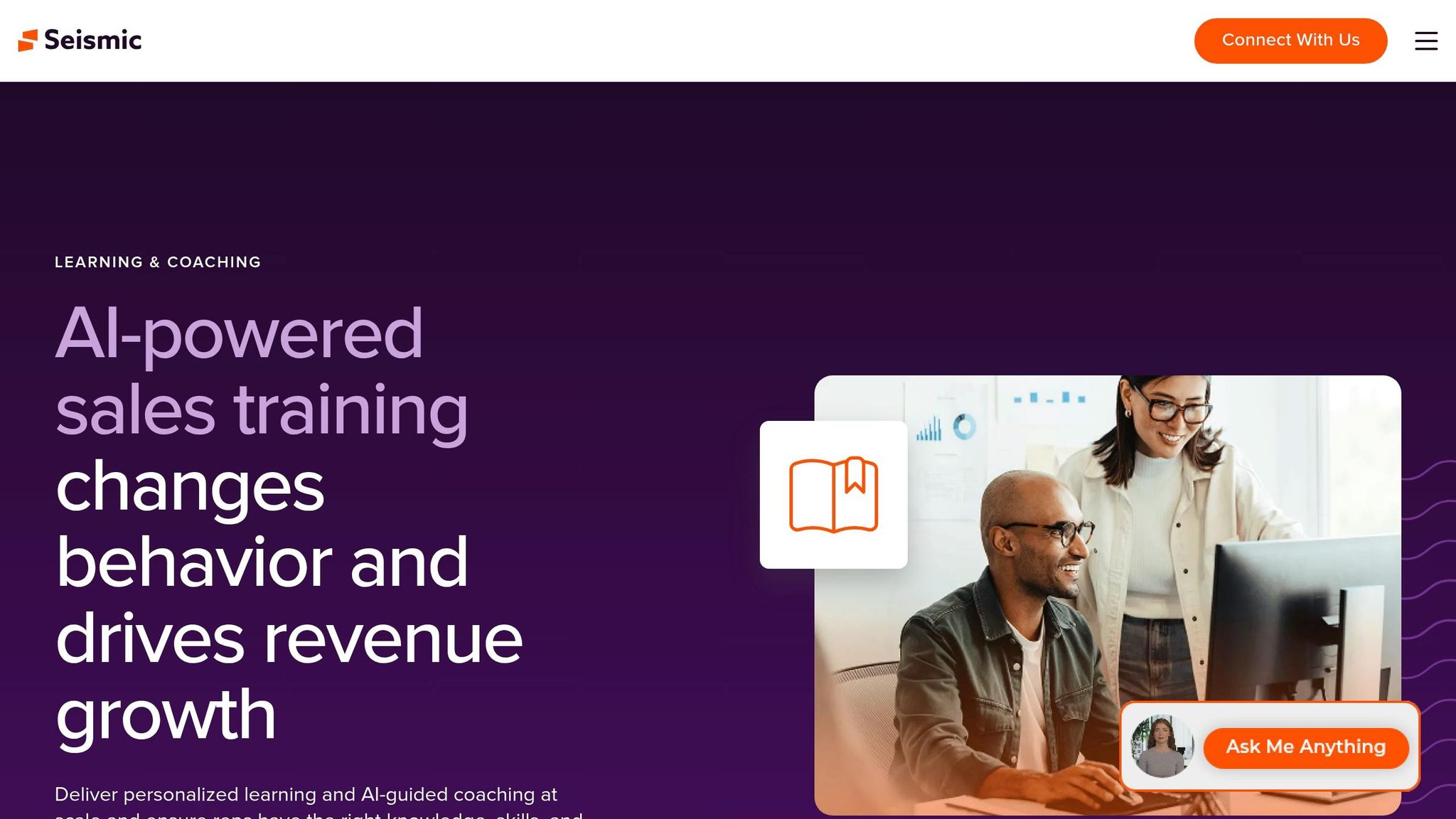
Lessonly by Seismic is designed to help sales managers quickly create training content so new reps can practice before engaging with actual buyers. With an impressive 4.7/5 rating on both G2 and Capterra, it’s an intuitive platform ideal for teams looking for a straightforward training solution.
The platform’s drag-and-drop lesson builder allows managers to craft interactive lessons using text, videos, and quizzes in just minutes. Reps can submit recordings or written responses for feedback, eliminating the need for constant live coaching. This streamlined process helps reduce the typical delays in onboarding, giving new reps a chance to learn and practice right away.
Onboarding Workflows for Step-by-Step Learning
Lessonly offers structured learning paths with certifications and milestones, guiding new reps through essential knowledge in a clear, step-by-step manner. By using microlearning - short, focused modules - it simplifies complex topics and makes it easier for reps to retain what they learn. Plus, its integration with Salesforce and HubSpot means managers can track training progress and certifications alongside pipeline data. This integration helps managers pinpoint which reps need extra support, ensuring a more tailored coaching experience.
Analytics to Monitor Progress and Identify Skill Gaps
The platform’s AI-driven assessments and dashboards provide detailed insights into reps’ training progress. Managers can review completion rates, quiz scores, and practice submissions, while reinforcement exercises help measure how well reps retain their training. These tools make it easy to identify which reps are ready for customer interactions and which ones need more preparation. Additionally, Lessonly links training performance to outcomes like quota attainment and win rates, giving teams a clear picture of training effectiveness.
Pricing for Lessonly is customized for enterprise needs, requiring a conversation with the sales team to get a quote. For teams already using Seismic for content management, the integration is a useful perk. However, the platform does have some limitations when it comes to advanced conversation intelligence features.
7. Allego
Allego blends video-based learning with AI-driven conversation analysis to help sales teams sharpen their skills before stepping into real sales calls. As a Leader in the 2025 Gartner Magic Quadrant for Revenue Enablement Platforms, this tool is tailored specifically for revenue teams, moving beyond generic corporate training solutions.
The platform focuses on video practice, where sales reps can record their pitches or handle objection scenarios. Once recorded, managers and peers provide feedback, eliminating the delays caused by traditional coaching schedules. AI steps in to analyze these recordings, using speech-to-text transcription to pinpoint coaching opportunities and highlight successful tactics from top-performing reps.
AI Role-Play for Practical Sales Training
Allego’s conversation intelligence evaluates both virtual meetings and live calls to identify effective strategies. Reps can view clips of top performers in action and apply those techniques during their practice sessions. Its mobile-first design allows new hires to record practice videos on the go - whether between meetings or during their commutes - making training a seamless part of their day.
Structured Onboarding for Faster Ramping
Allego offers bite-sized, AI-powered microlearning modules that fit into a rep’s daily routine, breaking down complex topics into manageable lessons. Managers are provided with structured coaching workflows to assess performance and offer guidance during the onboarding process. Peer-to-peer learning also plays a big role, giving new reps instant access to how seasoned team members handle common objections. This approach helps shorten the typical 3-4 month ramp-up period.
These structured modules not only prepare reps for real-world scenarios but also provide data-driven insights into their progress.
Analytics for Tracking Progress and Closing Skill Gaps
The platform tracks key metrics like completion rates, video assessments, and call performance, helping managers determine which reps are ready for customer interactions and which need additional training. With over 120 integrations - including major CRM systems - Allego ties training data directly to sales workflows and performance goals. Managers can pinpoint skill gaps by analyzing real call data, enabling more targeted coaching.
Pricing is customized based on team size and specific needs, and interested teams can request a demo. While users appreciate Allego’s effectiveness in role-plays and certifications, some have noted challenges with the interface and the time required to upload large volumes of content.
8. SalesHood
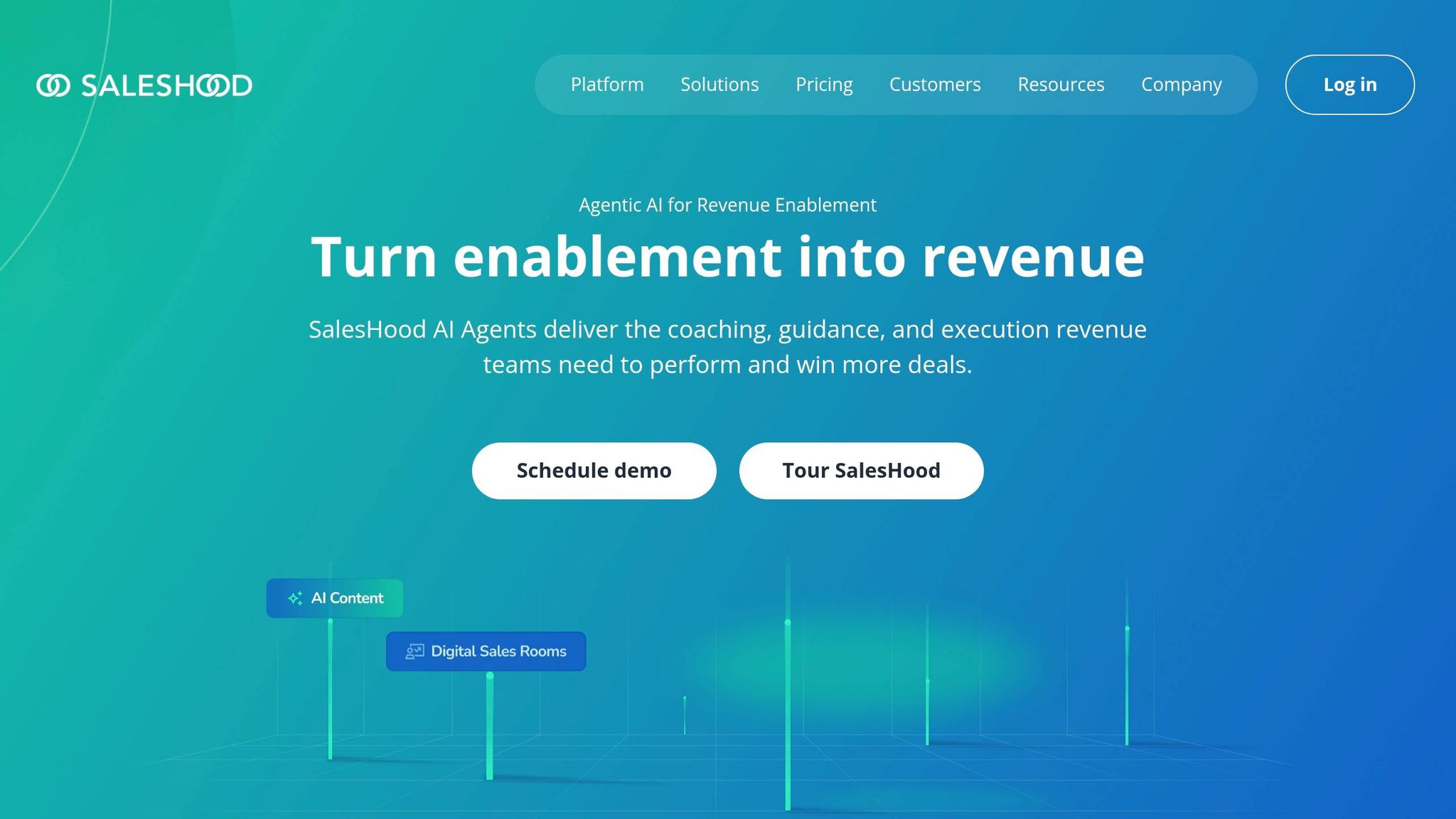
SalesHood brings together peer-to-peer training, coaching, and content in a single platform tailored for revenue teams. With an impressive 4.6/5 rating from 877 reviews, it’s known for its emphasis on peer-driven learning and video-based practice that mimics real-world sales situations.
New sales reps can record pitch sessions and practice handling objections, receiving immediate feedback from both managers and peers. This approach not only shortens coaching time but also helps reps build confidence and sharpen their skills before interacting with actual customers. These features align perfectly with the structured onboarding workflows that SalesHood provides.
Onboarding Workflows for Hands-On Learning
SalesHood streamlines onboarding with a centralized library of training materials, guided learning modules, quizzes, and certifications. These tools create a clear and scalable learning path for large teams. The platform’s video-based sessions allow new hires to simulate real-world scenarios, giving them a chance to refine their techniques before stepping into customer-facing roles.
Analytics for Tracking Progress and Identifying Gaps
SalesHood doesn’t stop at training - it also offers in-depth analytics to measure progress. It tracks training completion and engagement, linking these metrics to sales performance and revenue results. Managers can access scorecards that highlight individual skill levels and pinpoint areas for improvement. Visual dashboards provide insights into how reps are interacting with training content, helping managers determine who’s ready for live calls and who could benefit from more practice.
Pricing for SalesHood starts at around $45 per user per month, with plans ranging from $10 to $50 depending on the features and modules you choose. Costs can increase for larger teams or additional customizations, which aren’t always clearly detailed. These features allow teams to weigh functionality against budget, making it easier to choose a solution that accelerates onboarding while keeping costs manageable.
9. WorkRamp
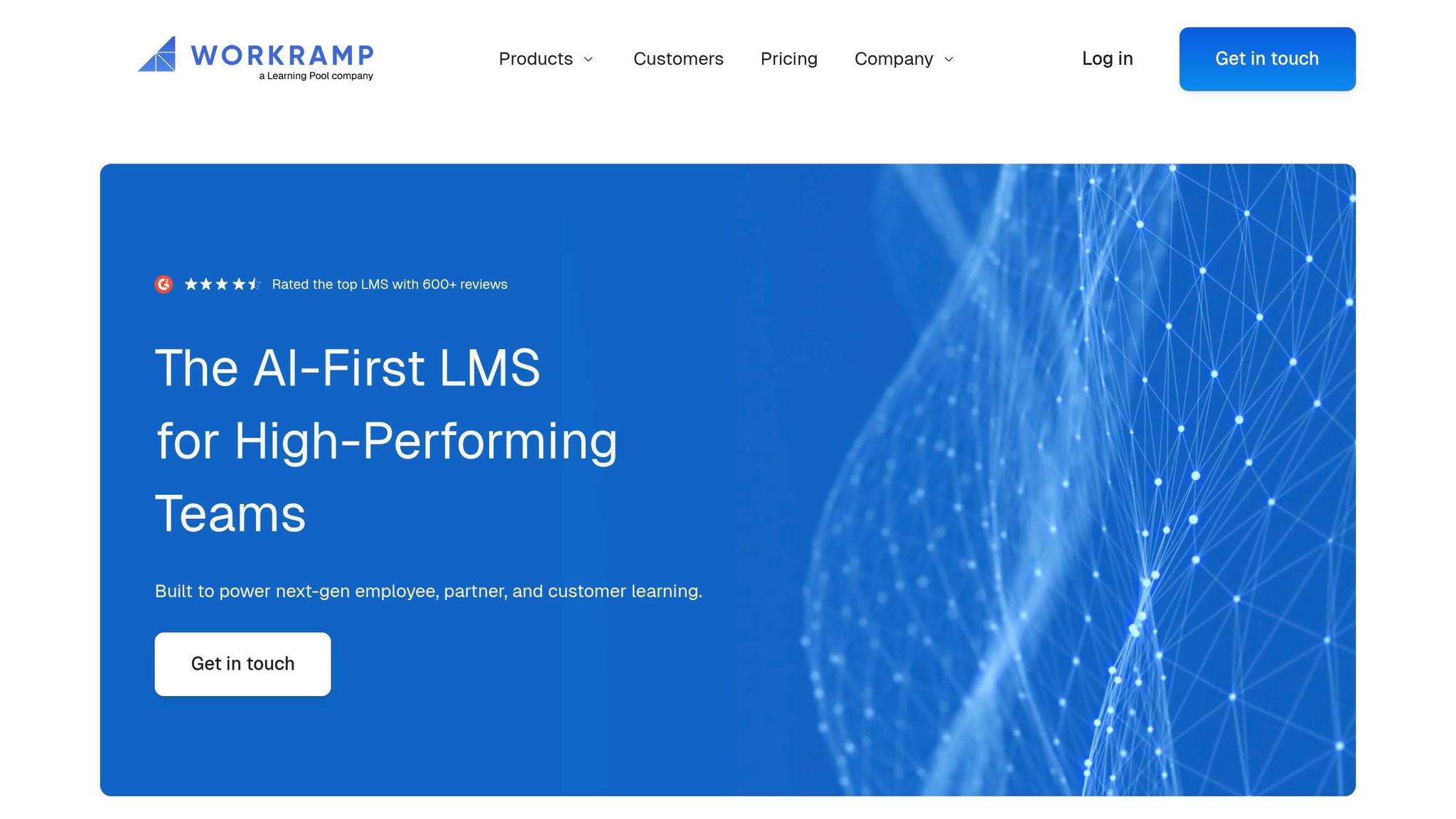
WorkRamp is a learning management system built for enterprise-level sales teams, offering a structured approach to onboarding. With a solid 4.6/5 rating on G2, it’s designed to guide new hires through multi-module training paths, helping them transition from basic knowledge to full productivity efficiently.
The platform allows companies to create custom academies and learning paths tailored to different roles. For example, Business Development Representatives (BDRs) and Account Executives (AEs) can follow distinct onboarding journeys that align with their specific responsibilities. This tailored approach simplifies the onboarding process and addresses the challenge of lengthy ramp times for new team members.
Onboarding Workflows for Step-by-Step Learning
WorkRamp excels at creating detailed learning paths that take reps through their onboarding journey step by step. Using AI, the platform converts existing company materials - like sales playbooks and product guides - into interactive modules complete with knowledge checks. This feature eliminates the need to build training content from scratch, making onboarding materials more engaging and actionable.
The system also includes certification and compliance tracking. Managers can verify that reps have mastered critical knowledge before they start customer-facing activities. These certifications serve as clear milestones, ensuring both managers and reps know when someone is ready to handle live calls.
Advanced Analytics for Tracking Progress and Performance
WorkRamp doesn’t stop at structured learning - it also provides powerful analytics tools. By integrating with HRIS and CRM systems, the platform pulls training data into tools managers already rely on, offering a seamless way to monitor performance. This integration enables sales leaders to correlate training progress with sales results, uncovering patterns that can inform future strategies.
The platform tracks metrics like training completion rates, skill assessments, and certification statuses across the team. This helps managers identify high-performing reps as well as those who may need additional support. By combining personalized learning paths with data-driven insights, WorkRamp helps teams shorten ramp times while maintaining consistent training standards, even for distributed teams.
WorkRamp offers custom enterprise pricing, so businesses need to contact the vendor for a quote tailored to their specific needs, including the number of users and required modules.
10. Second Nature

Second Nature is an AI-driven platform designed for sales teams to practice realistic conversations. At its core is an AI persona named "Jenny", which creates lifelike sales simulations by mimicking a rep's tone and pacing.
AI Role-Play for Realistic Sales Practice
This platform goes beyond static scripts, using advanced natural language processing to adjust dynamically to a sales rep's communication style. Managers can fine-tune the AI personas by setting up specific Ideal Customer Profiles (ICPs). These profiles can include details like industry, job role, objection patterns, and even the dynamics of a buying committee. For example, a rep preparing for enterprise-level deals can practice handling objections that differ from those encountered in SMB sales.
Second Nature supports various sales methodologies, such as SPIN, MEDDIC, and Challenger selling. This flexibility allows teams to align their practice scenarios with real-world strategies. The platform can simulate situations like cold calls, discovery calls, product demonstrations, objection handling, and even Quarterly Business Reviews. Reps can practice whenever they have time, eliminating the need for constant manager involvement while still building confidence and conversational skills.
As reps work through these scenarios, the platform provides real-time analysis of their performance, helping them identify areas for improvement.
Personalized Feedback to Accelerate Skill Development
After every simulation, Second Nature generates detailed performance reports. These reports break down the rep's interactions and offer targeted suggestions for improvement. Managers also receive scorecards that track each rep's progress and readiness for actual customer conversations.
Common Mistakes When Choosing Sales Onboarding Software
When picking sales onboarding software, teams often fall into some common traps that can undermine their efforts. For example, many focus too much on course completion rates rather than meaningful outcomes like how quickly new reps close their first deal or hit their quotas. It's worth noting that only 12% of employees strongly agree that their organization excels at onboarding new hires. That’s a clear sign something’s not working.
Another big issue? Ignoring CRM integration. When training data sits in a separate platform, managers lose visibility into whether completed training actually impacts key metrics like pipeline growth or deal velocity. Plus, sales reps are quick to abandon tools that require them to leave their familiar CRM platforms like Salesforce or HubSpot. This kind of context switching adds unnecessary friction, slowing down ramp-up times and leaving reps less prepared for real-world selling.
Relying too heavily on untested AI is another pitfall. Some platforms promise advanced AI-driven role-play simulations, but in reality, they’re just glorified, scripted bots. These bots often fail when reps take the conversation in unexpected directions. During demos, it’s a good idea to throw in an unexpected objection and see how the AI responds. If it doesn’t adapt like a real buyer - say, a CFO - it’s likely to be dismissed by reps as just another box to check, rather than a genuine learning tool.
Mobile access and content maintenance are also frequently overlooked. Field reps, for instance, need to access learning materials on the go. Without native apps for iOS and Android, they’re stuck relying on desktop platforms, which just isn’t practical between meetings. And when it comes to keeping training content up-to-date, platforms that require IT support for updates are a major headache. Sales teams need tools with quick, no-code content editing so managers can easily update scripts or training materials to match the latest product changes.
Here’s a quick breakdown of common mistakes, their impact, and how to fix them:
Mistake | Impact | Fix |
|---|---|---|
Siloed Data | Managers can’t link training to revenue | Choose platforms with deep CRM integration |
Static Content | Reps learn outdated product features | Opt for tools with easy, no-code updates |
No Mobile App | Field reps lack on-demand access | Ensure the platform has native iOS/Android apps |
Generic Paths | Irrelevant training for specific roles | Build role-specific training paths |
Avoiding these missteps can make a huge difference in how quickly and effectively your sales team ramps up.
Conclusion
Sales training and onboarding software can cut ramp time by as much as 50% compared to traditional shadowing methods. For example, when Janssen India adopted a specialized sales training platform, they slashed new rep ramp time in half. Moving from informal training to a structured, practice-driven approach delivers measurable results.
This underscores the importance of focusing on behavior change during training. Tools that include AI roleplay, CRM integration, and timely feedback help reps sharpen their communication skills. Without reinforcement through real-world application, most training is forgotten within 30 days.
For growing teams, these platforms also address scalability challenges. When you're onboarding several new hires each quarter, expecting managers to personally coach every rep through objections isn't realistic. Automated feedback frees up managers to focus on deal strategy instead of repetitive coaching sessions - a key reason many sales leaders struggle to meet coaching demands from their teams.
To get started, test the software with a pilot group to gauge its impact. Use a small team to measure improvements before rolling it out company-wide. Prioritize tools that integrate seamlessly with your CRM, allowing you to track whether training efforts boost win rates and quota attainment. The best platforms are those reps actually use, meaning they should blend into existing workflows without adding unnecessary complexity.
Whether you choose software with AI roleplay, advanced conversation analytics, or robust onboarding features, the ultimate goal remains the same: empower new reps to succeed while easing the workload on managers and reducing reliance on knowledge that may leave when top performers move on.
FAQs
How do I pick sales training and onboarding software for my team size?
When choosing sales training and onboarding software, it's essential to think about how it fits your team's size and needs. For larger teams, look for platforms that offer structured learning paths, role-play simulations, and AI-powered coaching to make onboarding smoother and more efficient. Smaller teams, on the other hand, might focus more on ease of use and a quick setup process.
No matter your team size, make sure the software integrates seamlessly with your existing tools. It should also support consistent messaging across your team and provide clear progress tracking to help you measure success effectively. Matching these features to your specific requirements will ensure a better fit for your team.
What metrics should I use to measure faster rep ramp-up?
To gauge how quickly new sales reps are ramping up, focus on metrics like shortened ramp-up time, better sales performance, and the frequency and quality of coaching sessions. These metrics give a clear picture of how efficiently new team members are becoming productive.
How can I test AI role-play quality before buying?
Testing the quality of AI role-play tools is easy with demo options or free trials offered by many platforms. These opportunities let you experience the tool firsthand, giving you a chance to evaluate how realistic and effective the simulations are. By participating in a live demo or using a trial version, you can determine if the AI role-play aligns with your sales scenarios and provides useful, actionable feedback.