AI sales onboarding tools are software that gets new reps productive faster by adding realistic practice, instant feedback, and readiness scoring to ramp. The category covers four jobs: AI role-play for active practice, conversation intelligence for live-call review, readiness platforms for certification, and in-CRM enablement for in-the-flow answers. Most teams combine a few rather than bet on one, because each solves a different stage.
Ramp is slow, and it is not getting faster. The Bridge Group's 2024 SaaS AE Report puts average account executive ramp at 5.7 months, up from 4.3 in 2020, while the share of AEs hitting quota slid to 51% from 66% in 2022. The reason is consistent: reps do not get enough reps. They absorb product decks, shadow a handful of calls, then face live buyers with almost no rehearsal. This guide compares seven AI sales onboarding tools that close that gap, grouped by the four jobs they do, with a side-by-side table and the real G2 ratings that separate them.
Tools are the last decision, not the first. Our guide to sales onboarding and ramp time covers what to fix before you buy anything.
Read the table first for the shape of the market, then the job sections for when each tool earns its place.
What are AI sales onboarding tools?
AI sales onboarding tools are platforms that use AI to get new reps productive faster: simulating buyer conversations for practice, scoring live calls automatically, certifying readiness against a consistent bar, and surfacing the right answer inside a rep's daily workflow. They differ from a traditional learning management system, which mostly stores and serves content for reps to read or watch.
The shift behind the category is from passive to active. A new rep can read about objection handling all week, but the skill only sticks when they have to handle an objection out loud, get it wrong, and try again. AI makes that repetition available on demand instead of capping it at the few sessions a manager can run each quarter.
For sales leaders, enablement managers, and L&D owners, the practical question is not whether to adopt AI. It is which job to solve first and which tool fits that job. The rest of this guide answers both.
How AI sales onboarding tools cut ramp time
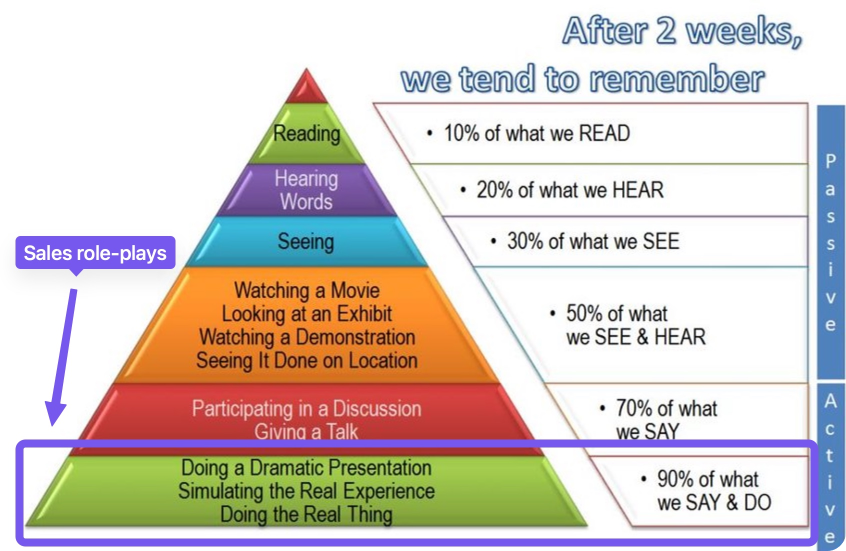
The mechanism is simple: more practice, faster feedback, and earlier visibility into who is ready. Traditional onboarding front-loads information and back-loads practice, so mistakes happen in front of real prospects. AI inverts that. Reps rehearse the hard moments first, in a setting where a fumbled call costs nothing, and managers see skill gaps in week one instead of month three.
The numbers quoted around this deserve caution, since results depend heavily on the team and the starting point. The one PitchMonster stands behind comes from the Mentor Group case study: pairing AI role-play with coaching delivered 30% faster ramp time and a 37% average performance increase. The lever behind that result is practice volume, not the software on its own.
Set that against the industry backdrop. If the average AE now takes 5.7 months to ramp and only half hit quota, shaving weeks off the front of that curve moves real pipeline forward. Here is how the two approaches compare on the signals that predict whether a rep will make it.
Readiness signal | Traditional onboarding | AI-supported onboarding |
|---|---|---|
Practice volume | A few manager-led sessions a quarter | On demand, logged automatically |
Skill proficiency | Manager's gut feel | Scored across specific competencies |
Objection readiness | Observed live, on real deals | Tested in practice before go-live |
Feedback speed | Days later, after a call review | Instant, after every session |
Coaching time | Spread thin across all reps | Focused on the reps who need it |
The pattern is the same down every row: AI moves the practice, the feedback, and the readiness check earlier, so a rep's first live call is not their first real attempt.
The 7 AI sales onboarding tools compared
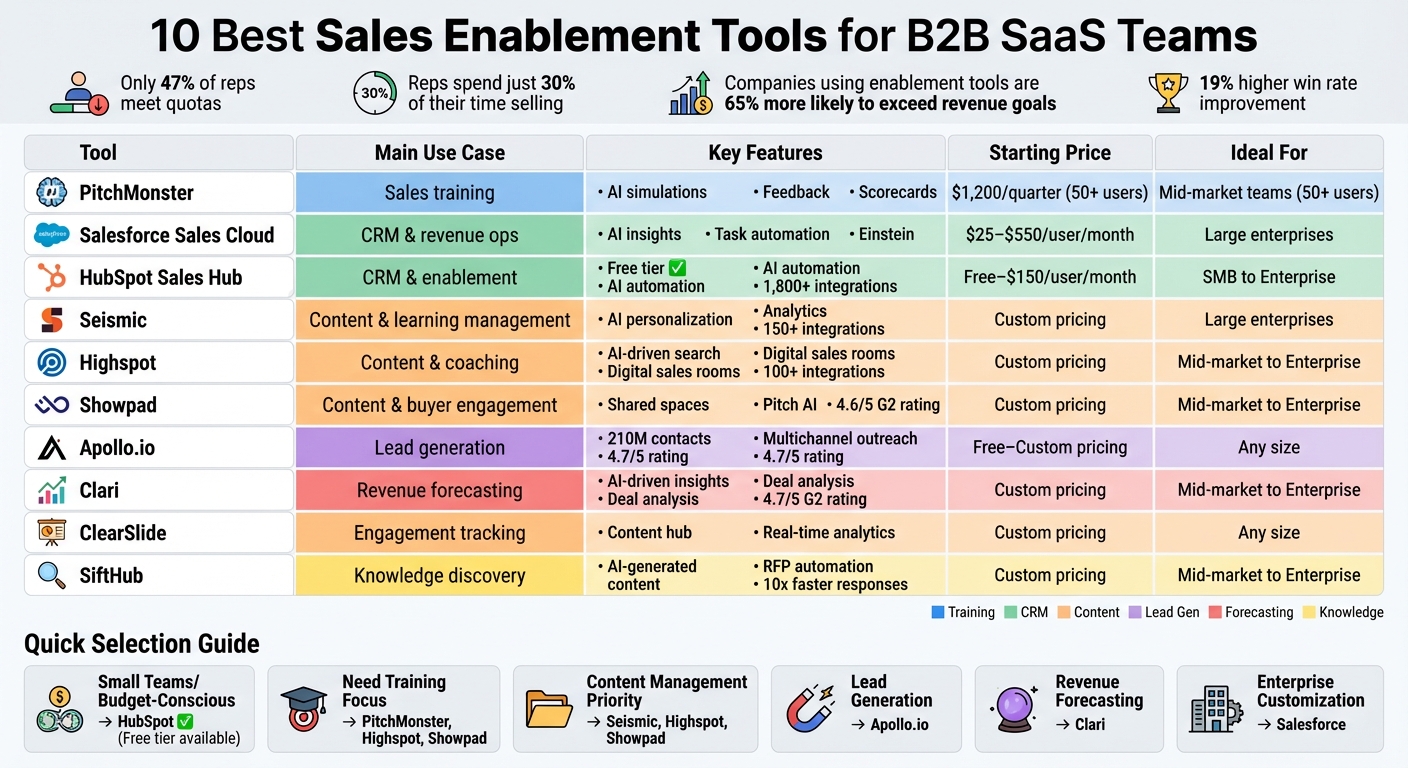
No two of these tools do the same job, which is exactly why the strongest programs run more than one. The table gives you the shape of the market at a glance. The sections below explain when each tool earns its place in the ramp, with its best-fit team and where it falls short.
Full comparison7 rows · 6 columns
Tool | The job it does | Best onboarding stage | G2 rating | Best-fit team | Pricing |
|---|---|---|---|---|---|
PitchMonster | Active practice: AI role-play + AI Coach | Weeks 1-4, then ongoing | 4.9/5 | Mid-market to enterprise | Custom, by quote |
Gong | Live-call review: conversation intelligence | Month 2+ | 4.7/5 | Mid-market to enterprise | Custom, by quote |
Sybill | Live-call review: conversation intelligence | Month 2+ | 4.8/5 | SMB to mid-market | Custom, by quote |
Mindtickle | Certification: readiness platform | Weeks 1-2 | 4.7/5 | Enterprise | Custom, by quote |
Brainshark (Bigtincan) | Certification: readiness platform | Weeks 1-2 | 4.4/5 | Enterprise | Custom, by quote |
Spekit | In-the-flow answers: in-CRM enablement | Ongoing | 4.7/5 | Mid-market to enterprise | Custom, by quote |
An LMS | Fundamentals: learning management | Week 1 | Varies by vendor | Any | Free tier to enterprise |
G2 ratings shown are current as of July 2026, and most enterprise tools here price by quote rather than publishing a per-seat rate. Treat the pricing column as a fit signal, not a shortlist: match the job to your ramp stage first, then get quotes for the one or two tools that job needs.
Job 1: Active practice with AI role-play
Active practice is where ramp time actually compresses. Reps need volume on the opener, discovery, and objection handling before they meet a live buyer, and no amount of reading substitutes for saying the words out loud and getting them wrong somewhere safe. This is the job PitchMonster is built for.
PitchMonster: AI role-play with a Socratic AI Coach
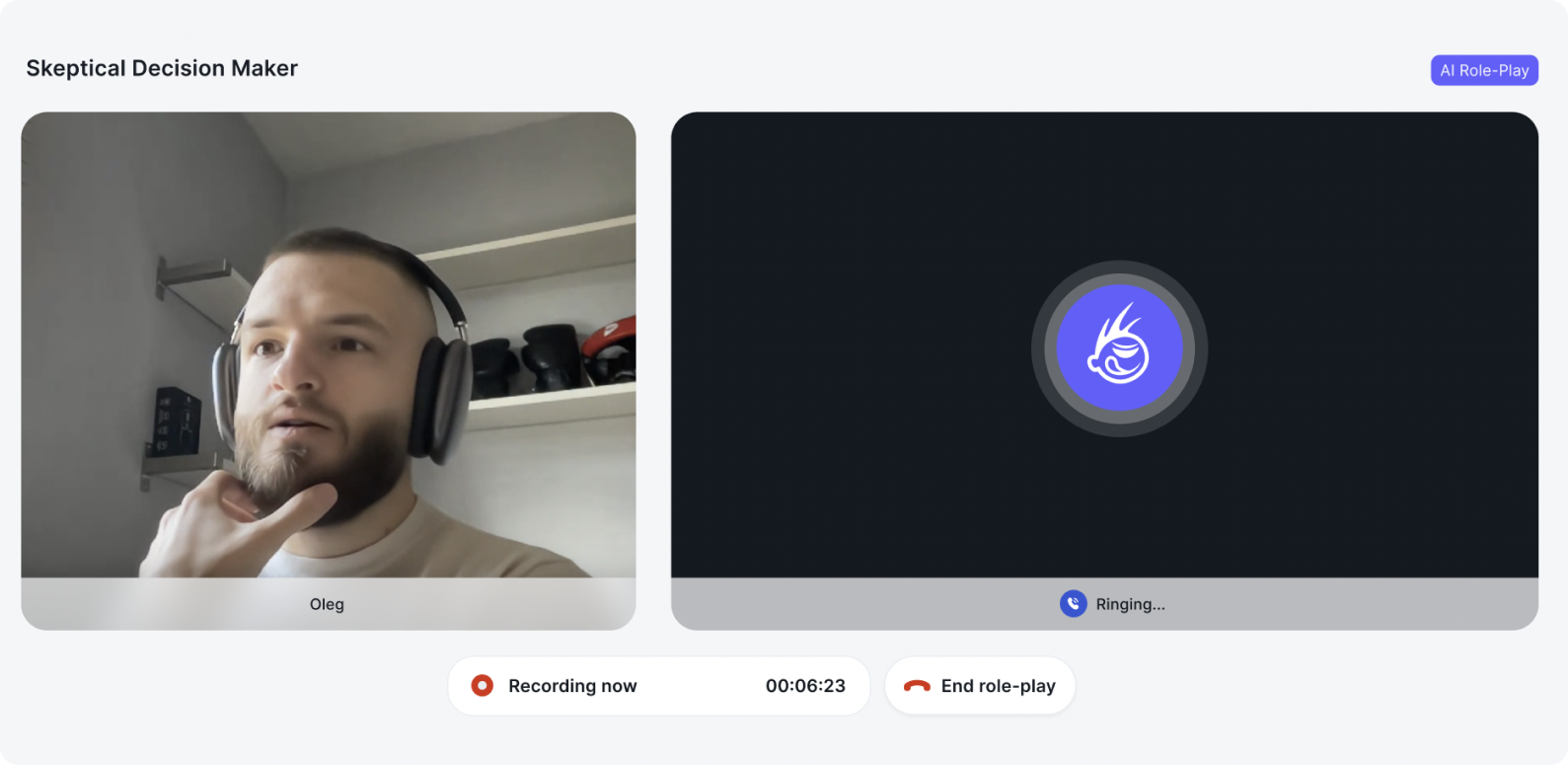
PitchMonster lets reps practice realistic sales conversations with an AI buyer that adapts, objects, and pushes back like your real ICP, then scores each run against your playbook. What sets it apart from every other tool here is what happens after the session. A Socratic AI Coach asks the rep what they noticed and what they would change before they ever see a number.
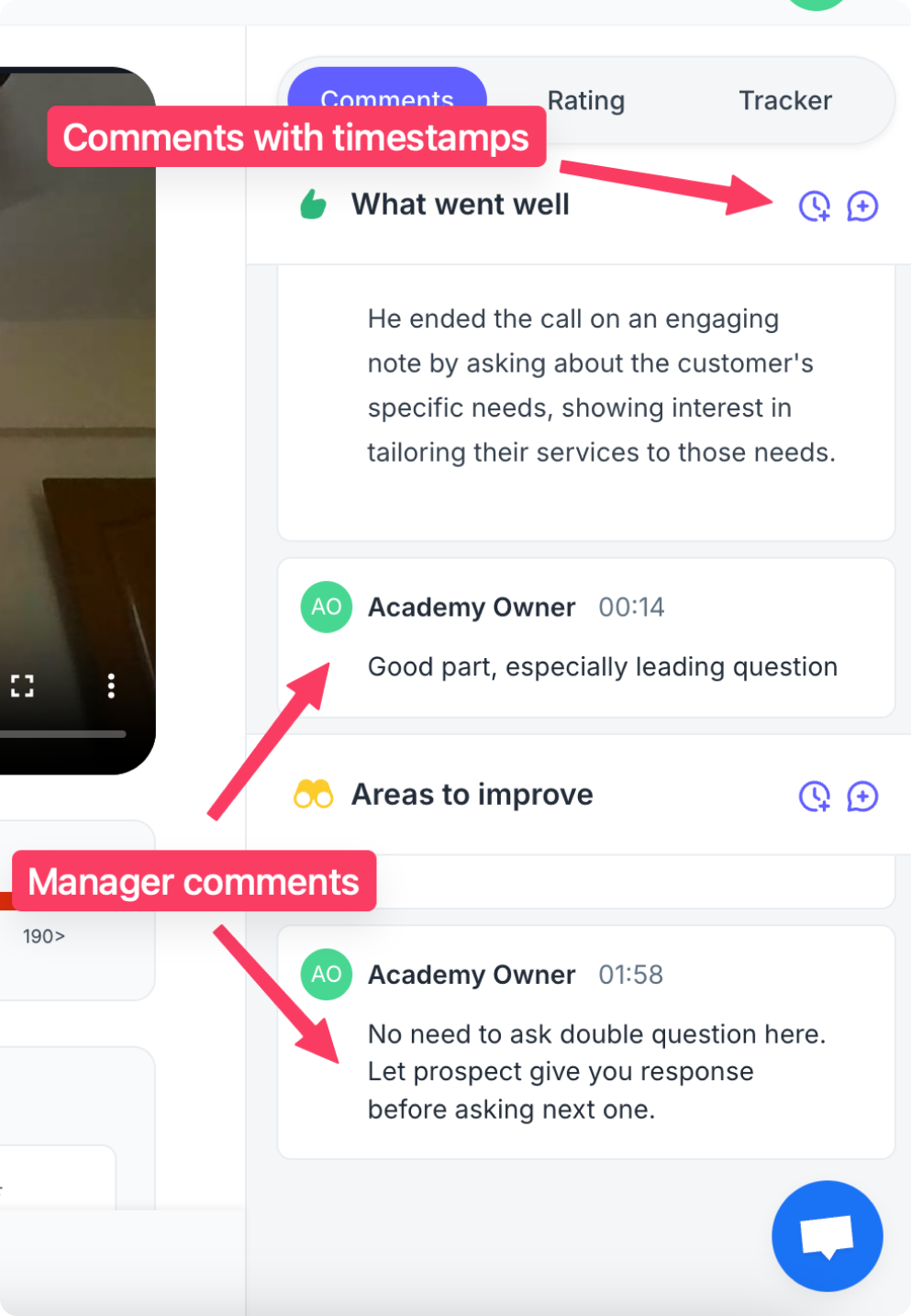
That reflection step gets reps diagnosing their own gaps, which sticks far better than a manager handing them a correction. No other tool in this list has it. A manager can build a scenario from a call recording, a website URL, or product docs in about two minutes, and reps can run it in 27 languages with expressive voice that carries skepticism, frustration, or interest.
Its best fit is a mid-market or enterprise team that is hiring, launching a new motion, or carrying a visible performance gap, with someone who owns training. Where it asks more of you: it is a guided, service-backed platform with a dedicated CSM, not a self-serve tool you switch on alone. The verdict is straightforward. For the weeks-1-to-4 practice job, and for low-performer upskilling and certifying readiness afterward, PitchMonster is the tool this guide leads with, and it holds a 4.9/5 on G2. See its custom, by-quote pricing on the pricing page, or see it against peers in our comparison of the best sales role-play tools.
Job 2: Live-call review with conversation intelligence
Conversation intelligence takes over once reps are actually selling. These tools record and analyze real calls, so feedback ties to live deals rather than practice. They are not practice tools and do not compete with role-play. They earn their place from month two, and they pair naturally with a practice layer that handles the pre-call skill building.
Gong: conversation intelligence for live calls
Gong records and analyzes real sales calls, flagging where a rep talked too much, missed a discovery question, or lost the deal, without a manager listening to every recording. Its best fit is a mid-market or enterprise revenue team that already has call volume to mine. Where it falls short for onboarding: it reviews what already happened, so a brand-new rep with no calls yet gets little from it, and reviewers on G2 flag that cost climbs fast as you add seats and features, because a platform fee and onboarding sit on top of the per-seat licence, as our breakdown of Gong's real cost sets out. Treat it as the month-two feedback engine, not a week-one ramp tool. Gong holds a 4.7/5 on G2 across more than 6,000 reviews, and PitchMonster integrates with it so practice and live-call signal sit side by side.
Sybill: call analysis and deal context
Sybill is a conversation intelligence tool that produces call summaries, captures buyer signals, and gives reps and managers context on where deals stand. Its best fit is an SMB or mid-market team that wants lighter-weight call analysis and follow-up help without a heavy rollout. Like Gong, it belongs in the live-selling phase from month two, and it does not rehearse new conversations, so it needs a practice tool alongside it. Sybill carries a 4.8/5 on G2, one of the higher scores in this list, though on a smaller review base than Gong or Mindtickle.
Job 3: Certification with readiness platforms
Certification is the week-one-to-two job: teach product and messaging fundamentals, then prove a rep absorbed them before they carry quota. Readiness platforms and a learning management system own this stage. They are strong at structure and scoring, and weaker at live, adaptive conversation practice, which is why most teams add a practice layer on top.
Mindtickle: structured readiness at scale
Mindtickle combines training modules, certifications, and readiness scoring into one platform, which makes it strong for the first two weeks when reps learn product and messaging fundamentals. Its best fit is an enterprise program that needs certification and analytics across a large, distributed team. Where it asks more of you: setup takes real time and budget, and reviewers note the wide feature set can be hard to navigate. It is best-in-class for all-in-one enablement, and many teams run it for certification while adding a dedicated practice tool for conversation depth. Mindtickle holds a 4.7/5 on G2 across more than 2,000 reviews. If it is on your shortlist, weigh it against options on our Mindtickle comparison page.
Brainshark (Bigtincan): onboarding content and video coaching
Brainshark, now part of Bigtincan, focuses on readiness through content authoring, video-based coaching, and scorecards, aimed at large, structured onboarding programs. Its best fit is an enterprise team that wants recorded video submissions and knowledge checks at scale. Where it falls short: it leans on recorded practice rather than live, adaptive conversation, so it certifies knowledge better than it builds real-time skill. Treat it as a fundamentals-and-certification layer, not a substitute for realistic role-play. It sits around 4.4/5 on G2, and you can weigh it on our Bigtincan comparison page.
An LMS: the fundamentals layer
A learning management system stores and delivers product, process, and compliance content: the videos, decks, and quizzes a rep works through in week one. It is the right home for knowledge a rep needs to absorb once. Its best fit is any team that needs a system of record for training content, and pricing runs from free tiers to enterprise contracts depending on the vendor. On its own, though, an LMS builds recall, not conversation skill. The fastest-ramping teams use it for fundamentals and pair it with active practice for the moments that decide deals.
Job 4: In-the-flow answers with in-CRM enablement
The last job runs the whole time. New reps stall when they cannot find an answer mid-task, so in-CRM enablement puts the playbook where they already work. Its value is ongoing rather than stage-specific, and it complements practice and certification rather than replacing them.
Spekit: just-in-time answers inside the CRM
Spekit embeds enablement content directly into the CRM and browser, so a rep can pull up a playbook snippet, an objection-handling tip, or a product FAQ without leaving the screen they work in. Its best fit is a mid-market or enterprise team drowning in scattered documentation that reps never open. Where it falls short: reading a tip is not the same as rehearsing the moment, and reviewers on G2 flag its in-app search as inconsistent. It reduces the friction that makes new reps stall, which is real value, but it is a safety net rather than a skill builder. Spekit holds a 4.7/5 on G2 across roughly 280 reviews.
What to look for in an AI onboarding tool
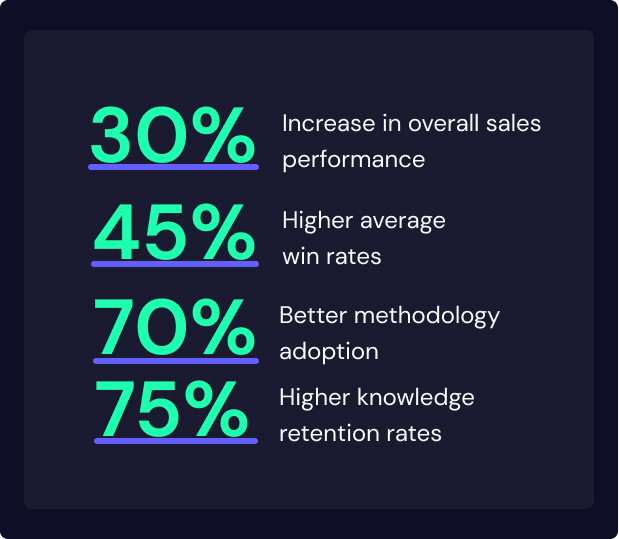
Not every AI tool moves ramp time. The ones that get used, and produce results, tend to win on three things: how realistic the practice is, how specific the feedback is, and how cleanly they fit the systems reps already work in.
Realistic practice
Practice only transfers if it mirrors a real call. The AI should respond dynamically rather than follow a script, express doubt, push back on weak answers, and steer the conversation when a rep falters. Response latency matters too, because long pauses break the illusion and the rep's focus. If a simulation feels easy or predictable, it will not prepare anyone for a live buyer. For a deeper look at what realistic practice involves, see our guide to AI sales role-plays.
Feedback specific enough to act on
A single overall score does not tell a rep what to fix. The useful tools break performance into named skills, such as opening, discovery, objection handling, and closing, and say what to adjust while the moment is still fresh. Specific feedback also lets managers spot patterns across the team without sitting in on every session, so coaching goes where it is needed instead of everywhere at once.
Fit with your existing workflow
Tools that force reps out of their daily systems tend to go unused, especially by new hires already adjusting to a new role. Look for integration with your CRM and enablement stack so reps can practice, log results, and find answers without switching tabs. PitchMonster exports scores to HubSpot, Salesforce, Gong, Power BI, or your LMS via API, which keeps training data where leaders already look.
How to sequence the tools across ramp
The mistake is treating these as either-or. They map to different weeks. Start week one with an LMS and a readiness platform for fundamentals and certification. Layer in AI role-play immediately so reps build conversation muscle before the first live call. Add conversation intelligence in month two, once reps are selling and need feedback on real deals. Keep in-CRM enablement running the whole time as the just-in-time safety net.
PitchMonster sits at the center of that sequence because practice and coaching are where ramp time actually compresses. Reps rehearse the opener, discovery, and objection handling against an AI buyer; the AI Coach walks them through what to change; and managers watch readiness scores climb instead of guessing. Teams running this loop reported 30% faster ramp and a 37% performance lift in the Mentor Group case study, part of why PitchMonster has held a 100% enterprise renewal rate since spring 2024 across the 300,000-plus reps trained on it.
That is the job our sales onboarding software page covers, from first practice run to readiness sign-off.
No tool works without a plan around it. Set clear readiness criteria, certify against a consistent bar before a rep carries quota, and make practice a habit rather than a one-time event. For the full playbook, read how to reduce sales onboarding time by 50%, or book a demo and we will build your first onboarding role-play library with you.
FAQ
What are AI sales onboarding tools?
AI sales onboarding tools are software that helps new reps reach full productivity faster by adding realistic practice, instant feedback, and readiness scoring to the ramp process. The category spans AI role-play, conversation intelligence, readiness platforms, and in-CRM enablement, and most teams combine a few rather than rely on one.
Which AI tool is best for sales onboarding?
There is no single best tool, because onboarding has distinct stages. AI role-play like PitchMonster builds conversation skills before the first live call, conversation intelligence like Gong reviews real calls in month two, and a readiness platform like Mindtickle handles certification. Pick by the stage where your reps lose the most time.
How much can AI onboarding tools reduce ramp time?
Results vary by team and starting point, so treat vendor averages with caution. In the Mentor Group case study, pairing AI role-play with coaching delivered 30% faster ramp time and a 37% average performance increase. The lever behind those numbers is practice volume, not the software alone.
How long should sales onboarding take?
The Bridge Group's 2024 SaaS AE Report puts average account executive ramp at 5.7 months, up from 4.3 in 2020, with SDRs around 3.2 months. Treat that as a benchmark, not a target. Teams that add active practice early tend to reach first-deal readiness weeks sooner than the average.
How much do AI sales onboarding tools cost?
Most enterprise-grade tools price by quote rather than publishing a per-seat rate, so cost depends on team size, contract length, and which jobs you buy. An LMS can start with a free tier, while conversation intelligence and readiness platforms sit at the higher end. Book a demo for a quote sized to your team.
Do AI sales onboarding tools replace managers or live calls?
No. They shorten the path to readiness by letting reps rehearse hard conversations before the first real call, but field experience and manager coaching still close the gap. The tools give managers signal on who is ready and free their time for the reps who need it, rather than removing them from the loop.
How is AI role-play different from a sales LMS?
An LMS stores and delivers content: videos, decks, quizzes a rep reads or watches. AI role-play is active practice: the rep talks, an AI buyer pushes back like the real ICP, and every run is scored against your playbook. Most teams use both, with the LMS for fundamentals and role-play for the conversations that decide deals.