PitchMonster and Hyperbound are both AI sales role-play platforms where reps practice against AI buyers built from your ICP. Hyperbound is enterprise-first and strongest on cold-call practice, now spanning call scoring and agents. PitchMonster adds a Socratic AI Coach, a high-touch service model, and a European base. This guide compares both on features, pricing, and fit.
If you are shortlisting the two, the deciding factors are coaching depth, rollout style, and where your data lives. Both tools build a realistic AI buyer fast and score how a rep performs. Where they part ways is what happens after the score, how much hand-holding you get on rollout, and whether an enterprise-first product or a coaching-first one matches your team.
Short on time? The Hyperbound alternative page condenses this comparison into one table. The sections below go deeper.
Verdict at a glance
Here is the short answer before the detail:
The verdict. Choose Hyperbound if you are an enterprise or larger mid-market team whose main job is high-volume cold-call practice, you want call scoring and agent workflows under one roof, and you are comfortable with a self-serve, enterprise-first buying process. Choose PitchMonster if you want the same AI role-play practice for sales, CS, enablement, and product teams, plus a Socratic AI Coach that debriefs every session, a guided rollout with a dedicated CSM, and a European base with GDPR compliance and EU data residency. Both build AI buyers from your ICP in minutes. The split is coaching depth and service model, which is why teams comparing a Hyperbound alternative for coaching and hands-on onboarding tend to land on PitchMonster. To see the AI Coach and a guided rollout on your own scenarios, book a demo.
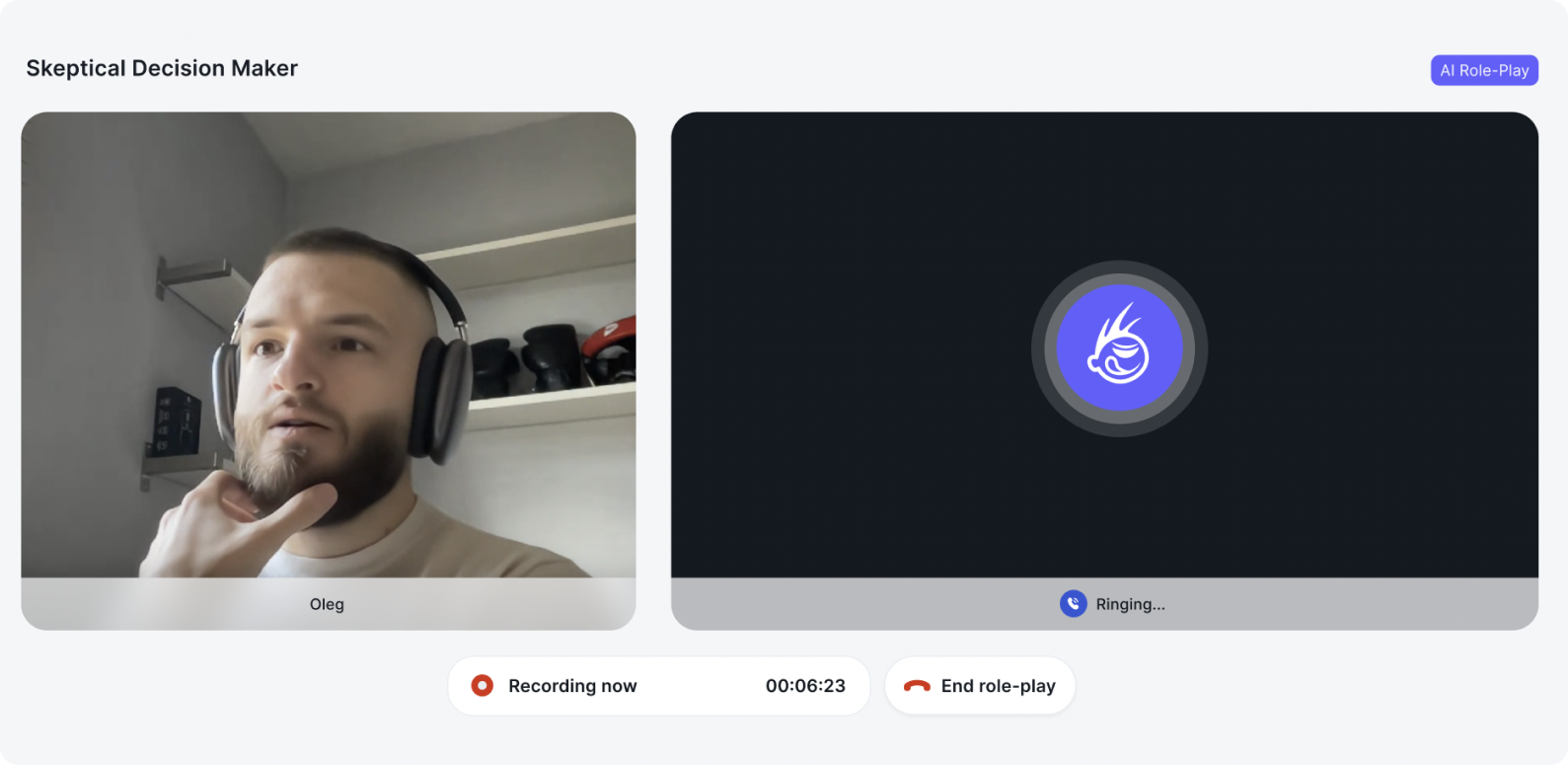
The same comparison on camera, in about 3 minutes, if you would rather watch than read.
PitchMonster vs Hyperbound at a glance
The table below sums up how the two compare on what a sales buyer weighs most. Both are quote-based at the team level, so compare them on fit and coaching depth rather than a sticker price.
Factor |  PitchMonster PitchMonster |  Hyperbound Hyperbound |
|---|---|---|
Best for | Sales, CS, enablement, and product teams practicing real customer conversations | Enterprise cold-call practice at volume |
Core job | Sales role-play scored on your methodology | AI role-play, call scoring, revenue agents |
Signature feature | Socratic AI Coach that debriefs every session | Cold-call practice and call scoring at scale |
AI buyer setup | From calls, docs, or a URL in about 2 minutes | From an ICP description in minutes |
Scoring | Your own playbook and scorecard | Scorecards and call-scoring rubrics |
Modes | Cold call, discovery, demo; phone, face-to-face, screen-share | Cold call, discovery, demo practice |
Service model | Dedicated CSM, guided onboarding included | Self-serve leaning, enterprise-first |
Team fit | 10 to 300 reps (sweet spot 20 to 80) | Larger mid-market and enterprise |
Data residency | European-based, GDPR, EU data residency | US-based (San Francisco) |
Pricing model | Quote-only, onboarding included | Quote-only, free demo + custom Enterprise |
Proof | 4.9 on G2, 100% enterprise renewal since spring 2024 | Cold-call-focused platform |
Read the table as a fit question rather than a scorecard. Hyperbound leans enterprise, cold-call-first, and broad in scope. PitchMonster leans coaching-first, service-heavy, and built for teams that want a guided rollout. The sections below unpack each so you can match it to your team.
What Hyperbound is built for
Hyperbound is an AI sales role-play and call-scoring platform. You describe your ideal customer, and it turns that description into an interactive AI buyer in minutes, so reps can practice a real conversation on demand. It started in AI role-play and now presents itself as a Revenue Activation Platform that scores real calls, runs practice, and uses agents it calls Kota to act on the results.
Cold calling is largely Hyperbound's only focus. Its AI buyers handle objection-heavy prospecting calls well, which is why it shows up most often on teams running high-volume outbound. It is a San Francisco company that positions itself as enterprise-first, and it carries the integrations and scale that larger revenue teams expect.
The reach is real: one tool covers practice, call scoring against a rubric, and agent workflows that push activity into the deal, which appeals to a CRO standardizing a large outbound motion - but that is useful for tracking outbound activity, not for coaching depth across the full sales motion. For a team whose primary problem is getting a big SDR floor to run better cold calls, that focus is the selling point.
The trade-offs show up in two places for a sales buyer. First, Hyperbound is enterprise-first and self-serve-leaning, so smaller teams get less hands-on rollout than a service-led vendor provides. Second, pricing is opaque: reviewers note a complex buying process and limited pricing transparency, which the next sections address directly.
What PitchMonster is built for
PitchMonster is an AI sales role-play platform built for one outcome: reps who are ready before the real call. Reps rehearse cold calls, discovery meetings, and demos against AI buyers that adapt, object, and push back like your actual ICP. Every session is scored against your own playbook, so practice is measured the same way you measure live deals.
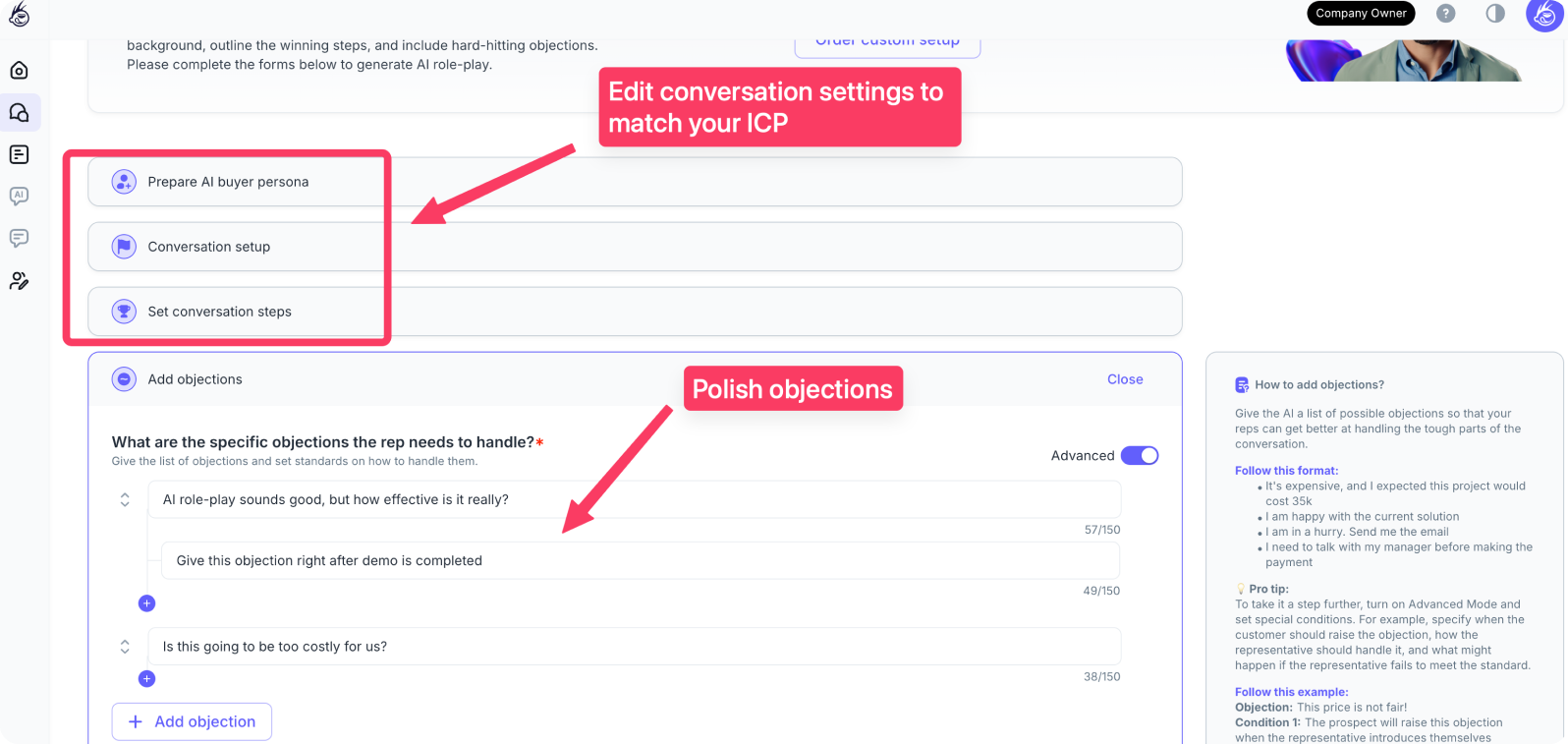
A manager can build a scenario from a call recording, product docs, a transcript, or a website URL in about two minutes. There are four difficulty levels up to Insane, more than 40 customization parameters, and support for 27-plus languages, so a global team practices on scenarios that mirror its real buyers. Reps can practice by phone, face-to-face, or over screen-share, matching how they sell.
What separates PitchMonster is the AI Coach. After each session, a Socratic AI sales trainer asks reflective questions that guide the rep to their own conclusion before they ever see a score. It runs 24/7, so a rep debriefs on their own time, and no competitor on the sales role-play shortlist offers this. Self-diagnosed lessons stick harder than a handed-down score, which is why this step is where rep behavior changes.
PitchMonster is European-based, which brings GDPR compliance and EU data residency, and it runs a high-touch service model with a dedicated CSM and guided onboarding rather than pure self-serve. It holds a 4.9 out of 5 rating on G2 and a 100% enterprise renewal rate since spring 2024, and customers include Lenovo, Adobe, Salesforce, Land Rover, and Coupa.
Feature comparison
Both tools run AI role-plays, score reps, and build a buyer from your ICP fast. The divide is coaching depth, service model, and scope. The table below lays out the head-to-head on the dimensions sales buyers ask about.
Capability | PitchMonster | Hyperbound |
|---|---|---|
AI buyer role-play | Yes, adapts and objects like your ICP | Yes, strong on cold-call scenarios |
Post-session coaching | Socratic AI Coach guides self-diagnosis | AI coaching recommendations and scoring |
Scenario building | From calls, docs, URL in ~2 minutes | From ICP description in minutes |
Scoring model | Your sales methodology and scorecard | Scorecards and call-scoring rubrics |
Live call analysis | Yes, real recordings on the same playbook | Yes, call scoring at scale |
Cold-call practice | Yes | Yes, a core strength |
Difficulty levels | 4, up to Insane | Scenario difficulty options |
Languages | 27+ | Multiple |
Manager analytics | Skill-gap and readiness dashboards | Analytics and rubric reporting |
Service model | Dedicated CSM, guided onboarding | Self-serve leaning, enterprise-first |
Data residency | EU-based, GDPR, EU residency | US-based |
Pricing | Quote-only, onboarding included | Quote-only, free demo + Enterprise |
The line that matters most is coaching. Both give feedback, but they do it differently. Hyperbound scores the call and recommends what to work on. PitchMonster runs a reflective debrief that makes the rep reason through what they would change, then ties it to the scorecard. For skill that has to hold up on a live call, that reflection step is the difference between a rep who nods at feedback and one who applies it.
The second line is fit and rollout. Hyperbound is built for larger, enterprise-first teams that are comfortable self-serving. PitchMonster is built for teams of roughly 10 to 300 reps and includes guided onboarding with a dedicated CSM, so a lean enablement function gets help standing the program up rather than a login and a doc.
Pricing compared
Neither company publishes standard per-seat pricing, so this is a comparison of models, not sticker prices. Both quote per team after a demo, and the honest read is that you will not get a firm number from either without a call.
Hyperbound pricing lists two paths: a free demo and a custom Enterprise plan, both of which require booking a call for a real quote. The number depends on team size, features, and contract length, and reviewers repeatedly flag limited pricing transparency and a buying process that runs more complex than smaller vendors. Treat any per-seat figure you find on third-party sites as unofficial until Hyperbound puts it in writing.
PitchMonster is also quote-only, but the model differs in what comes bundled. Pricing is per seat and sized to your team, with onboarding, a dedicated CSM, and support included and no setup fees. Because both end up as custom quotes, compare them on total value and rollout support rather than a headline rate.
Plan | PitchMonster | Hyperbound |
|---|---|---|
Entry | Guided demo, then a team-sized quote | Free demo |
Team / Enterprise | Custom quote; onboarding, CSM, support included | Custom Enterprise plan, quote by call |
Public per-seat price | Not published (quote-only) | Not published (quote-only) |
What shapes the quote | Team size and seats | Team size, features, contract length |
What you are pricing here is readiness, not a subscription line item. Teams running PitchMonster's practice-and-coach loop saw 50% faster ramp-up and a 2X reduction in coaching time per rep in the Mentor Group case study. That upside is the number to weigh against the quote, not the quote alone.
"Our leads are very expensive. Having to do trial and error with live leads is an expensive practice." - Daniel, One Park Financial
The practical takeaway is that pricing should not be the tiebreaker here, because both are custom-quoted. What differs is transparency and what is included. PitchMonster folds onboarding and a CSM into the deal, and you can book a demo for a quote sized to your reps.
Which one fits your team
Because the two overlap on core role-play and diverge on coaching, service, and scope, the choice comes down to what you are optimizing for. Use the table as a starting point, then pressure-test it in a demo with your own scenarios.
If you are... | Lean toward |
|---|---|
Running high-volume cold calling as the main use case | Hyperbound |
A larger enterprise standardizing outbound at scale | Hyperbound |
Comfortable with a self-serve, enterprise-first process | Hyperbound |
Wanting a reflective AI Coach, not just a score | PitchMonster |
Sales, CS, and enablement teams of 10 to 300 that want guided onboarding | PitchMonster |
Required to keep data in the EU under GDPR | PitchMonster |
Practicing discovery, demo, and post-sale, not only cold calls | PitchMonster |
Buying with a lean enablement team that needs a hands-on rollout | PitchMonster |
Needing product demo and customer-success role-plays without an enterprise gate | PitchMonster |
Two questions settle most decisions. First, is cold calling your whole problem or one part of it? If outbound volume is the job, Hyperbound is built for that. If reps also need discovery, demo, and objection practice with a coach that helps them improve, PitchMonster covers more of the loop. Second, how much rollout help do you need? Hyperbound expects a team that can self-serve; PitchMonster brings a CSM and guided onboarding.
If cold calls are the whole job, start with the cold call practice page and judge both tools against it.
If your priority is coaching depth, a guided rollout, or an EU data base, the next section covers why sales teams pick PitchMonster.
Where PitchMonster pulls ahead
Hyperbound is an established option for large outbound teams, especially for cold calling. For most teams the deciding factor comes after the practice. Both tools let reps run a call against an AI buyer; the question is whether the tool then helps that rep improve. That is where PitchMonster is built to pull ahead.
It starts with the AI Coach. After every role-play, PitchMonster runs a Socratic debrief that asks the rep what they noticed and what they would change before they see a score, so they self-diagnose instead of waiting for a manager. This is the piece no other sales role-play tool has, and reflection is where behavior shifts.
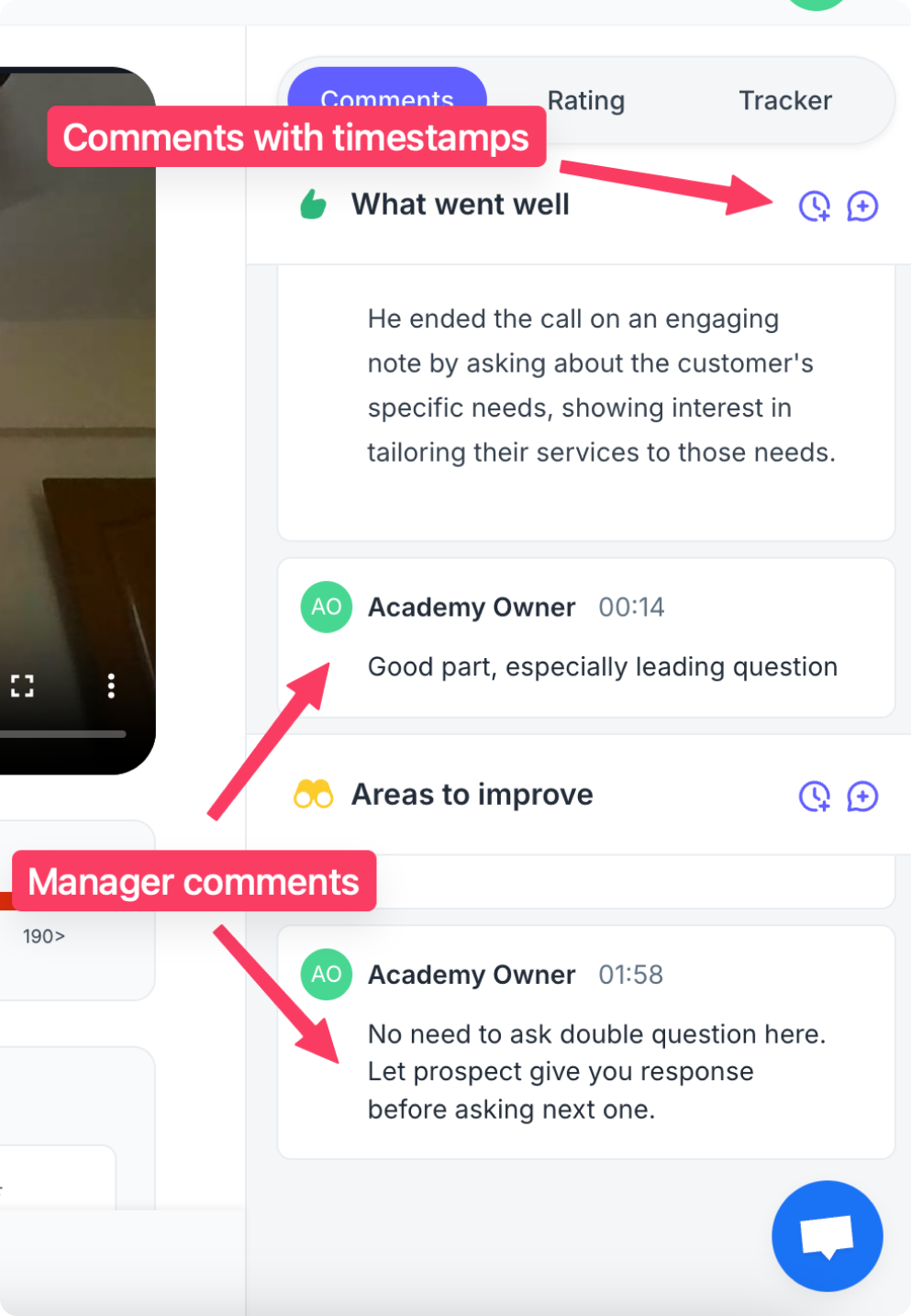
Around the Coach sits practice built for selling. AI buyers object and push back like your real ICP, scenarios come from your own calls and docs, and every rep is scored against the same playbook you use on live deals. Live Call Analysis applies that scorecard to real call recordings, so practice and live performance are measured the same way, and managers get skill-gap dashboards to see who is ready before the call.
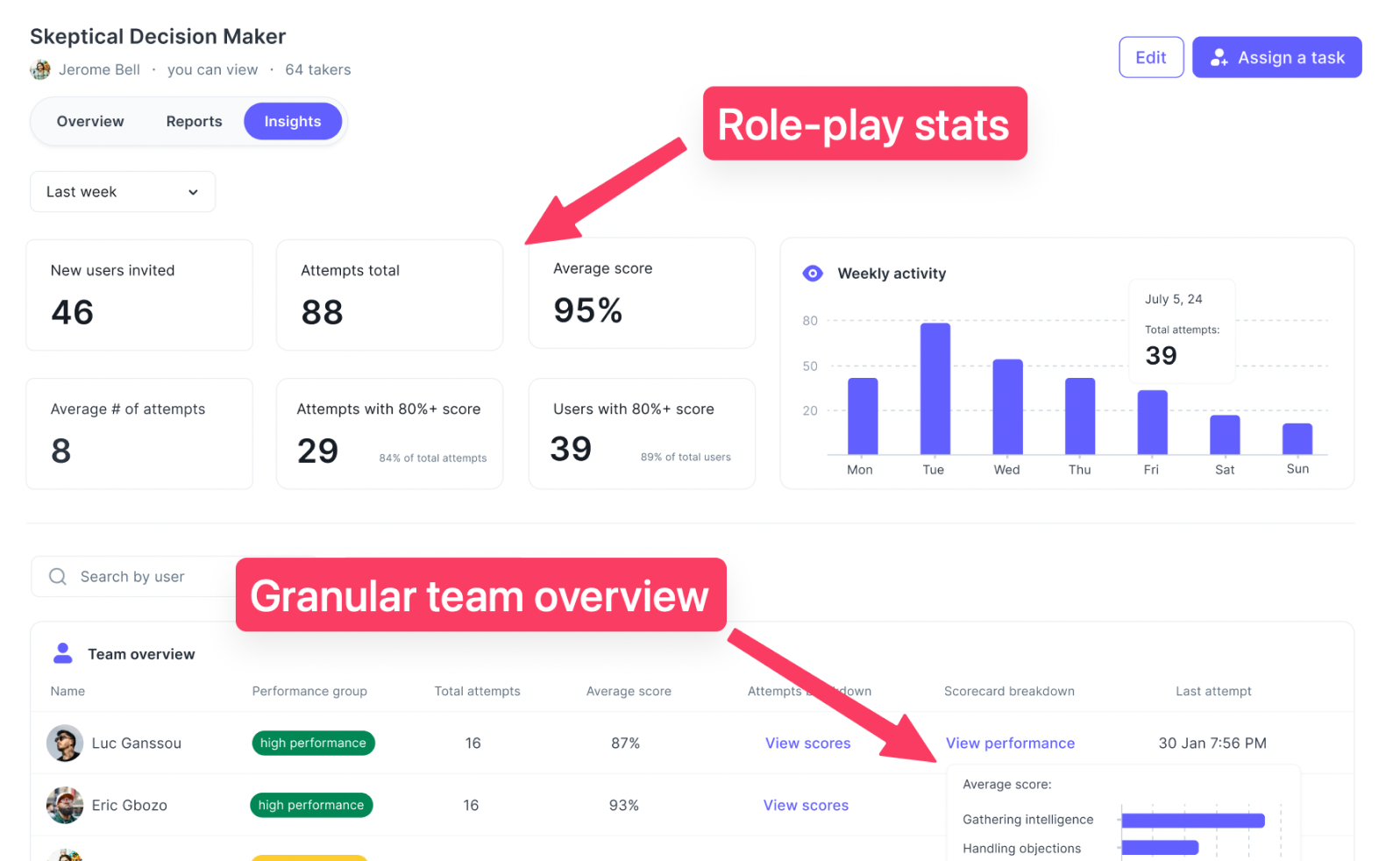
The service model is the other divide. PitchMonster is built for teams of roughly 10 to 300 reps, with guided onboarding and a dedicated CSM rather than a self-serve setup, and it is the only European-based option among the leading tools, with GDPR compliance and EU data residency. Product demo and customer-success role-plays come on every plan, not gated behind an enterprise tier, a real contrast to Hyperbound's enterprise-first packaging. Teams running the practice-and-coach loop report 50% faster ramp-up and a 2X reduction in coaching time per rep in the Mentor Group case study.
"I think I really like the AI coach. That's definitely going to save us a lot of time." - Wendy Mateo De Perkins, One Park Financial
If you want practice plus a coach that makes it stick, that is the gap to close. Book a demo and we will build your first sales role-play with you, or see pricing sized to your team. You can also browse 12 sales role-play scenarios to see the kind of practice reps run.
FAQ
What is Hyperbound and what does it do?
Hyperbound is an AI sales role-play and call-scoring platform that turns your ICP description into an interactive AI buyer in minutes. Reps practice cold calls, discovery, and demos against that buyer, managers score real calls against a rubric, and its newer agents help act on the results. It is a San Francisco company that positions itself as enterprise-first.
How much does Hyperbound cost?
Hyperbound does not publish per-seat pricing. It lists a free demo and a custom Enterprise plan, both of which require booking a call for a real quote. Your number depends on team size, features, and contract length, and reviewers note the buying process can be complex. Treat any figure you see on third-party sites as unofficial until you have a written quote.
Is Hyperbound good for cold calling?
Yes. Cold-call practice is Hyperbound's core focus, and its AI buyers handle objection-heavy prospecting calls well. If cold calling is your only focus, it does that job. If you also need discovery, demo, and post-sale practice plus a reflective coaching layer, compare it against a broader role-play platform like PitchMonster before you commit.
What is the difference between Hyperbound and PitchMonster?
Both run AI sales role-plays and score reps. Hyperbound is enterprise-first, strong on cold-call practice, and now spans call scoring and agents under a Revenue Activation Platform. PitchMonster adds a Socratic AI Coach that debriefs each session, a high-touch service model with guided onboarding, and a European base with GDPR compliance. PitchMonster suits teams that want coaching depth and hands-on rollout.
What is the best Hyperbound alternative?
For teams that want the same AI role-play practice plus deeper coaching and a guided rollout, PitchMonster is the closest Hyperbound alternative. Reps practice cold calls, discovery, and demos against AI buyers built from your ICP, then debrief with a Socratic AI Coach. It is European-based with GDPR compliance, includes a dedicated CSM, and holds a 4.9 out of 5 rating on G2.
Who are Hyperbound's main competitors?
In AI sales role-play, Hyperbound is compared most with PitchMonster, Second Nature, and a handful of newer entrants. For teams whose priority is practice plus a reflective coaching layer and a European data base, PitchMonster is the common head-to-head. For enterprise call scoring and agent workflows, buyers also look at broader revenue platforms.