A discovery call is a structured conversation, most often 30 minutes and sometimes as short as 15, where a rep diagnoses a buyer's problem before proposing anything. Its output is a written understanding of the problem specific enough that the buyer would recognise it as their own words.
Most guides on this topic hand you a list of 40 questions. The list is the easy part. What decides whether a discovery call produced anything is the second question, the one you ask after the buyer gives you a vague first answer, and almost nobody teaches it.
What a discovery call is for
One output: a problem statement with a cost attached and a decision path around it.
That is a higher bar than it sounds. "They want to improve onboarding" is not a problem statement. "New hires ramp in 3 to 7 months depending on which senior rep trains them, they have 6 starting in January, and the Head of Enablement thinks the spread is costing a meaningful share of the annual pipeline number" is. The first is a note. The second is something a champion can carry into a budget meeting when you are not in the room.
What a discovery call is not for: demoing, pitching, or building rapport as an end in itself. Rapport is a by-product of asking good questions and listening to the answers. Reps who set out to build rapport directly tend to spend 8 minutes on the weather and then rush the diagnosis.
The 30-minute structure
Time budgets, because the failure mode is always the same. Reps spend too long on context and run out of room before cost.
Minutes | Section | Job |
|---|---|---|
0-2 | Frame | Say what you plan to cover and ask permission to change it |
2-6 | Current state | Establish how they work today, briefly |
6-14 | Problem | Find the 2 or 3 places it breaks, pick the sharpest |
14-21 | Cost | Quantify what the sharpest one costs, in their numbers |
21-26 | Decision mechanics | Who else is affected, who funds it, what forces a date |
26-30 | Summarise and commit | Play the problem back, propose a specific next step |
Two things to protect. The cost block, because it is the one reps skip when the call is running late, and it is the block that makes the deal fundable. And the frame at the start, because 30 seconds spent saying "I want to spend most of this understanding how your onboarding works today, and if that's not useful, tell me and we'll change it" buys you permission to ask direct questions for the rest of the call.
Questions by section
Use these verbatim while you are learning. They are deliberately plain.
Frame:
"I've got 30 minutes. I'd like to spend most of it understanding how ramp works for you today, and then I'll tell you honestly whether we're a fit. Does that work, or is there something you'd rather cover?"
Current state. Keep this short. Most of it is on their website.
"How does a new rep get from day 1 to their first closed deal today?"
"Who's involved in that, besides you?"
Problem. Open, then narrow.
"Where does that tend to break down?"
"Is that the thing that bothers you most about it, or is there something worse?"
That second question is worth more than it looks. Reps take the first problem offered and build the whole deal on it, when frequently the buyer has been circling a bigger one.
Cost. The block that makes it real.
"How would you know if that got better? What number moves?"
"Roughly what's the gap between your fastest and slowest ramping rep?"
"On a team your size, what does that spread cost you over a year?"
Decision mechanics.
"If you decided to fix this, who else would need to be in the room?"
"Who owns the budget it would come out of?"
"Is there anything in your calendar that this needs to be ready for?"
Summarise and commit.
"Let me play that back. [Problem in their words]. Have I got that right?"
"The obvious next step is a call that includes [named person]. Can we get that in the diary now?"
The follow-up nobody teaches
Here is the entire skill, compressed. The buyer gives you a vague answer. You have 2 options and only one of them produces a deal.
Rep: "Where does onboarding break down?"
Buyer: "It just takes too long, really."
The move most reps make is to write down "ramp too long" and ask the next question on their list. The call ends pleasantly, the notes look complete, and there is no business case anywhere in them.
The move that works is one more question, aimed at specificity:
Rep: "Too long compared to what? What would good look like?"
Buyer: "Our last few have taken about 6 months to hit quota. I'd want 3."
Rep: "And with 6 starting in January, what does the difference between 3 and 6 months look like across that cohort?"
Buyer: "I'd have to work it out. It'd be a lot."
Rep: "Would it be worth working out before we speak again? That's the number your CFO will ask you for."
Nothing clever happened. The rep asked "compared to what", then converted the answer into a cohort-level figure, then handed the buyer a reason to calculate it themselves. That last move is what turns a contact into a champion, because now they own the number.
The reason this is rare is not ignorance. It is that pressing for specificity feels like doubting someone, and reps default to accepting the answer to keep the call warm.
Talk time
The rough discipline: on a discovery call the buyer should be doing most of the talking, and a rep who is talking more than half the time is presenting rather than diagnosing.
You do not need a tool to know if you are over. Two tells. If you have explained your product before minute 20, you are over. If you can remember what you said more easily than what they said, you are over.
The fix is mechanical. After you ask a question, stop. The silence after a question about cost is the longest 4 seconds in sales, and filling it with a helpful suggestion is how reps answer their own questions and lose the information they were after.
Frameworks: SPICED, SPIN, MEDDPICC
Three frameworks come up constantly in discovery conversations, and the useful distinction is when each one is for.
SPICED earns its place because of 2 letters older checklists lack. Impact is the quantified cost, which is the block reps skip. Critical Event is the date that forces action, which is what separates a real timeline from a polite one.
The mistake is running any of them as a question list during the call. A framework read aloud produces a question wall, and the buyer can hear that you are working through a form. Ask like a person, then fill the framework in afterwards. If your MEDDPICC scorecard has blanks, the cause is almost always a discovery call where nobody asked the cost question.
How to drill it
Do not rehearse whole discovery calls. Rehearse the second question.
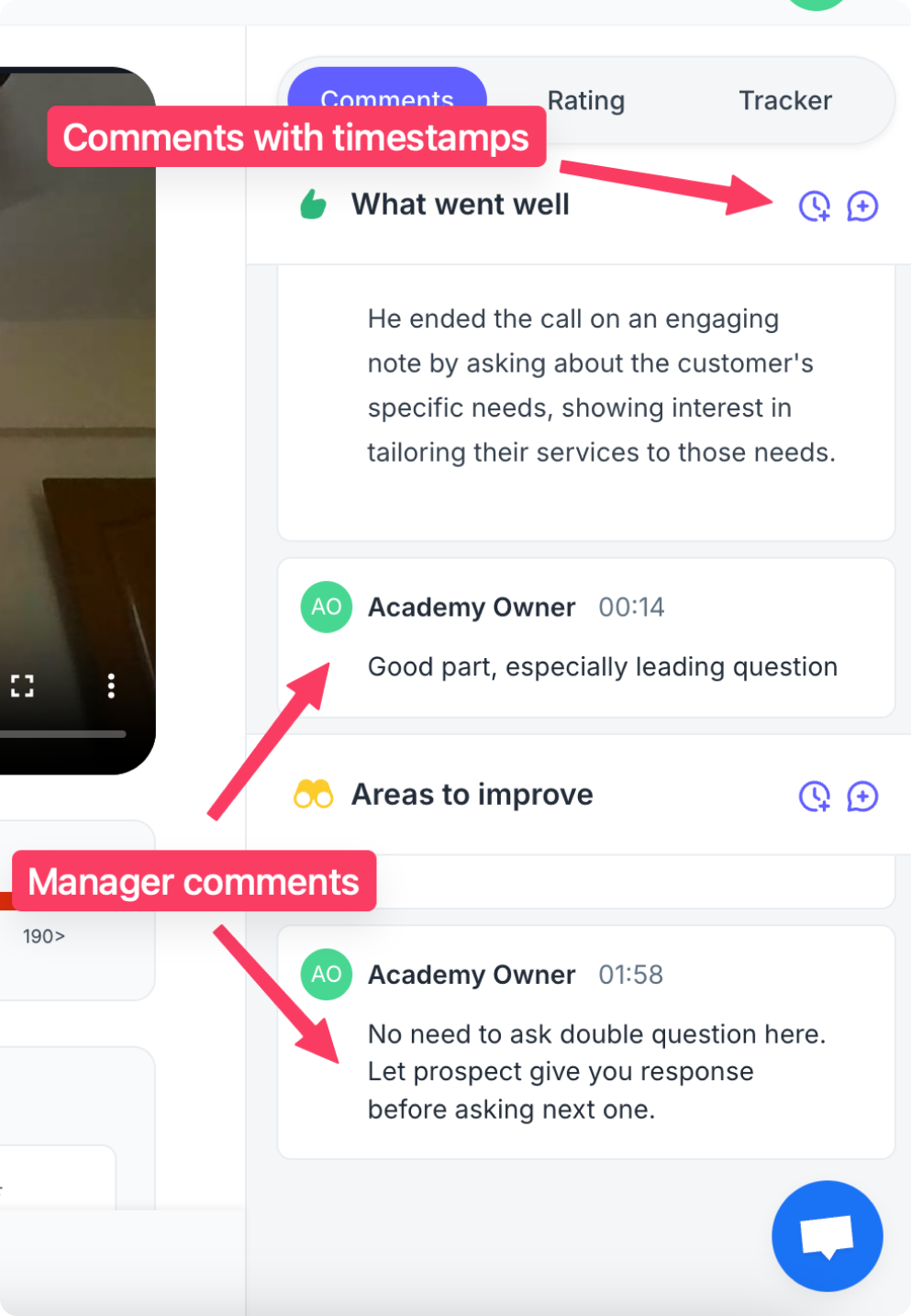
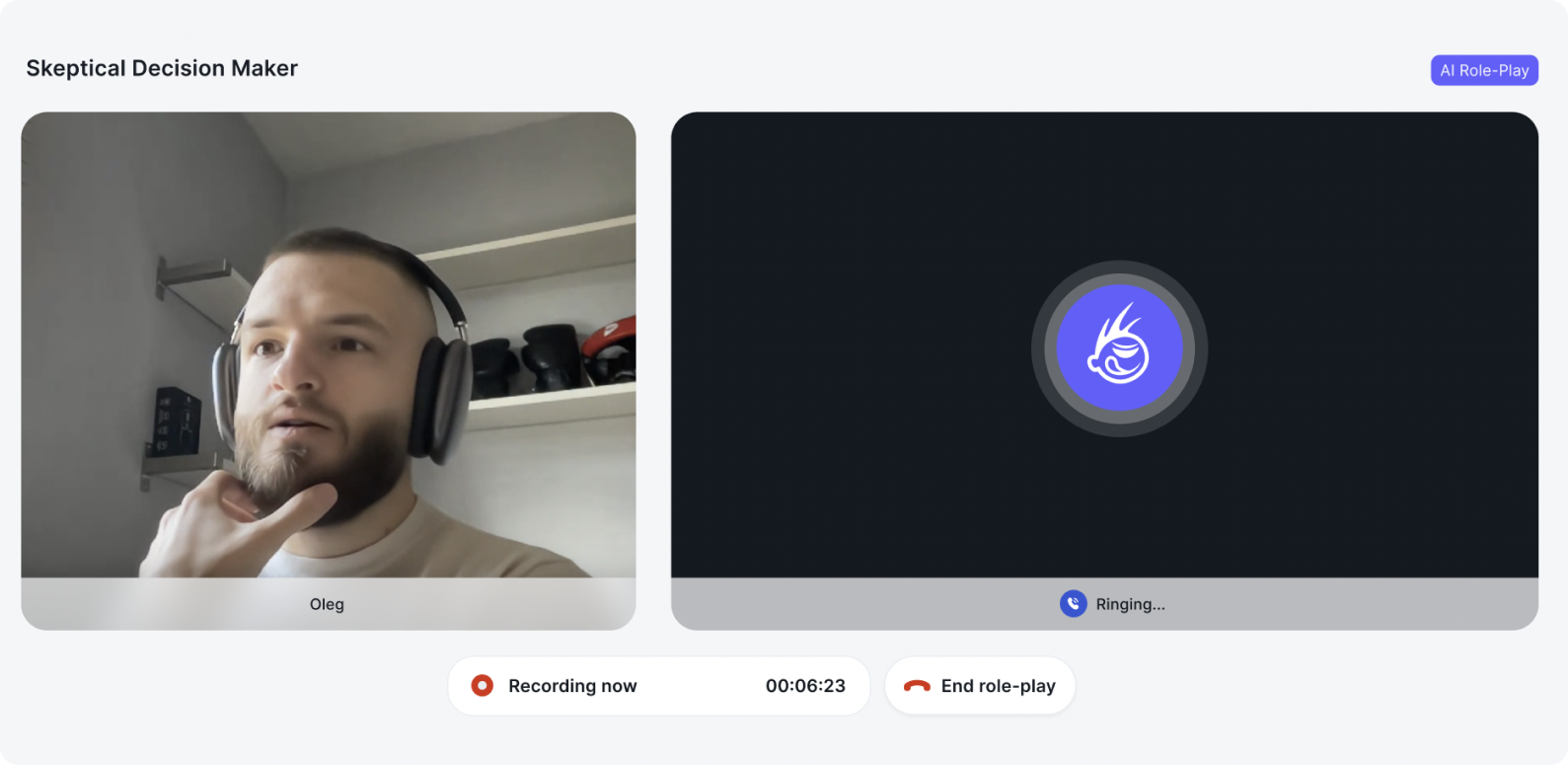
Set up one scenario: a buyer who answers the first problem question vaguely and keeps answering vaguely until the rep asks something specific. Run it until the rep stops accepting "it just takes too long" as an answer. Then run the silence drill, where the rep asks a cost question and is not allowed to speak until the buyer does.
Both of those fail as peer role-plays, and the reason is structural rather than a lack of effort. A colleague playing the buyer wants the exercise to go well, so when the rep flounders they hand over the good answer. The specific behaviour you are trying to build only develops against a buyer who stays unhelpful.
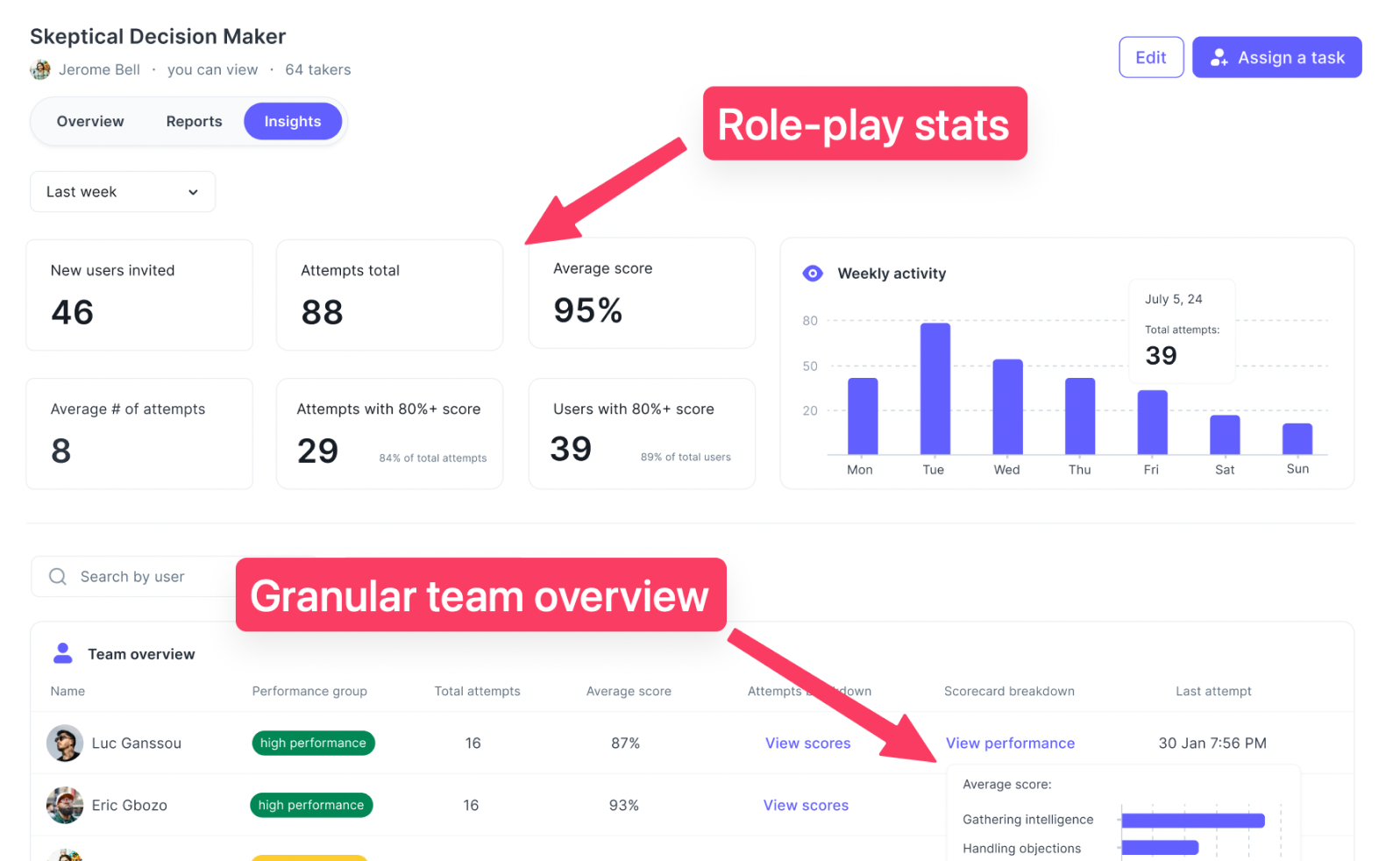
That is what an AI buyer is for. In PitchMonster an enablement lead can build one from a real recorded discovery call, so the vagueness sounds like your actual market, then set it to withhold specifics until properly asked. Sessions are scored against your own criteria and the AI Coach debriefs by asking the rep what they noticed rather than issuing a grade, which is what converts one repetition into a habit.
The measured version is ramp. Mentor Group cut ramp time by 50% on average and halved coaching time per rep, and SThree onboarded 53% faster, both by moving practice off their managers' calendars.
If your reps' discovery notes read like a list of complaints rather than a business case, book a demo and we will build the vague-buyer scenario from one of your own calls.
FAQ
What is a discovery call?
A discovery call is a structured conversation early in a B2B sales cycle, usually 15 to 30 minutes, where a rep diagnoses the buyer's problem, its cost, and how a decision gets made, before any demo happens. Its output is not rapport. It is a written understanding of the problem specific enough that the buyer would recognise it as their own words.
What questions should I ask on a discovery call?
Ask about how they work today, where it breaks, what the breakage costs, who else is affected, and what happens if nothing changes. The exact wording matters less than the order: current state, then problem, then cost, then decision mechanics. Ask about cost before you ask about budget or timeline, because cost is what creates both.
How long should a discovery call be?
Book 30 minutes and plan to use 25. A 60-minute discovery call usually means the rep intends to demo inside it, which is the most common way a discovery call gets wasted. If the problem turns out to be bigger than 30 minutes of diagnosis, that is a good reason for a second call with more of their team on it.
Should you demo on a discovery call?
Avoid it. A demo before diagnosis is a feature tour, and the buyer has no way to tell which parts matter to them. If they push for one, show a single narrow thing that maps to the problem they just described and stop there. That restraint is also the strongest signal that you were listening.
What is the SPICED framework?
SPICED stands for Situation, Pain, Impact, Critical Event, and Decision. It is a discovery framework that adds 2 things older checklists miss: Impact, which is the quantified cost of the pain, and Critical Event, which is the date or deadline that makes the buyer act. It works as a note-taking structure after the call rather than a question list during it.
How do you end a discovery call?
Summarise the problem back in their words, confirm you have it right, then propose a specific next step with a named person attached. "So the issue is that ramp depends on which senior rep a new hire shadows, and you have 6 starting in January. Should the next call include whoever owns that budget?" That is a next step, not a follow-up email.
What is the biggest mistake on discovery calls?
Accepting the first answer. A rep asks where the process breaks down, the buyer says onboarding takes too long, and the rep writes it down and moves on. The value was in the second question, the one that asks what too long costs. Without it you have a note, not a business case, and nobody can take a note to a budget holder.
Is a discovery call an interview?
Not in sales, though the phrase is used that way elsewhere. In recruiting, a discovery call is an early screening conversation with a recruiter, and in law it refers to the discovery phase of a case. In B2B sales it means the first substantive conversation with a prospect, where the rep diagnoses a problem rather than being assessed themselves.
What happens after a discovery call?
Three things, in order. Write the problem up in the buyer's own words while it is fresh, because your memory of the wording degrades within hours. Send a short recap that states the problem and the agreed next step, not a feature list. Then complete your qualification record honestly, marking what you actually have evidence for rather than what you assume.
How can reps practise discovery calls?
Practise the second question, not the whole call. Give a rep a buyer who gives a vague first answer and have them press once, politely, for something specific. A colleague cannot do this convincingly because they want to be helpful and will hand over the good answer immediately. An AI buyer can stay vague as long as it takes.
The short version
Book 30 minutes. Spend 8 of them on cost, which is the block everyone skips. Ask "compared to what" when you get a vague answer, then convert it into a number the buyer works out themselves.
The question list is not the skill. Asking the second question, and then staying quiet, is the skill.